
 | |  | |  | |  | |  | |  |


| | | | | | | | | | |

























It is amazing how Trall and Shelton, separated by more than a century,
could reach the same scientific conclusions?
Shelton did not find it puzzling because he knew that the laws of nature
always remained true.
The medical profession was constantly changing its methodology and the
ingredients of their drugs to treat patients.
While the natural hygienic philosophy never deviated from their basic rules
as established by nature.
could reach the same scientific conclusions?
Shelton did not find it puzzling because he knew that the laws of nature
always remained true.
The medical profession was constantly changing its methodology and the
ingredients of their drugs to treat patients.
While the natural hygienic philosophy never deviated from their basic rules
as established by nature.
Shelton sought to clarify what he meant by nature:
“What is nature? Let us define it as the existing cosmos. The universe is
cosmic and not chaotic.
There is an all-pervading orderliness, nor can we conceive of the universe
existing except in an orderly state.
The Nature cure, which is not something that the Hygienist does with his
hygienic agencies, but something nature does, is the result of the lawful
and orderly operations of the forces and processes of life, working with
the regular, normal elements of livingness.” Shelton
“What is nature? Let us define it as the existing cosmos. The universe is
cosmic and not chaotic.
There is an all-pervading orderliness, nor can we conceive of the universe
existing except in an orderly state.
The Nature cure, which is not something that the Hygienist does with his
hygienic agencies, but something nature does, is the result of the lawful
and orderly operations of the forces and processes of life, working with
the regular, normal elements of livingness.” Shelton

Shelton goes on to explain what he thinks constitutes a Law of Nature?
He states:
“What we call the law is the unvarying order of the phenomena. Order
and regularity appear to be everywhere in the world of nature and this is
all we mean by law.
When we formulate a law of nature, we simply state as succinctly as
possible the orderly sequence of developments.
It must explain fundamental relationships that recur so consistently that
they cannot be fortuitous.
The law will be fulfilled; it cannot be broken, annulled, repealed,
abrogated nor suspended.
Consequences, and not remedies, are provided for violations. We
cannot, reverse or subvert the laws of nature.
Science is knowledge of nature and the scientific method is that which
studies the laws of nature and applies them to the production of results.
The laws of nature form a unique, harmonious system and no man is
exempt from them.” Shelton
He states:
“What we call the law is the unvarying order of the phenomena. Order
and regularity appear to be everywhere in the world of nature and this is
all we mean by law.
When we formulate a law of nature, we simply state as succinctly as
possible the orderly sequence of developments.
It must explain fundamental relationships that recur so consistently that
they cannot be fortuitous.
The law will be fulfilled; it cannot be broken, annulled, repealed,
abrogated nor suspended.
Consequences, and not remedies, are provided for violations. We
cannot, reverse or subvert the laws of nature.
Science is knowledge of nature and the scientific method is that which
studies the laws of nature and applies them to the production of results.
The laws of nature form a unique, harmonious system and no man is
exempt from them.” Shelton

Shelton elaborates his point on the human digestive system:
“Constitutions may, indeed, differ slightly; but no constitution is exempt
from the universal laws that govern life.
The laws that govern the digestion of food for one man govern the
digestion of food for another.
This leaves no room for the old adage that what is one man's meat is
another man's poison.
Natural laws make no allowance for man's ignorance.
A poison will kill the man of genius as quickly as it will kill the fool; it will
destroy the pious as readily as the impious, the virtuous as readily as the
vicious.
All suffer alike, as well as all without exception prosper, who obey natural
law.” Shelton
“Constitutions may, indeed, differ slightly; but no constitution is exempt
from the universal laws that govern life.
The laws that govern the digestion of food for one man govern the
digestion of food for another.
This leaves no room for the old adage that what is one man's meat is
another man's poison.
Natural laws make no allowance for man's ignorance.
A poison will kill the man of genius as quickly as it will kill the fool; it will
destroy the pious as readily as the impious, the virtuous as readily as the
vicious.
All suffer alike, as well as all without exception prosper, who obey natural
law.” Shelton

Shelton further explains:
“I have never seen a man whose constitution was that of a dog, or that
of a cow.
Men have all possessed human constitutions and, so far as human
observation can go, they are all subject to the same laws.
Did anyone ever proclaim that cows, for instance, are so differently
constituted that some cows need grasses and herbs and others cannot
use these, but must eat flesh?
Or, has anyone ever declared that, whereas most lions live on flesh,
blood and bones, some lions are so differently constituted that flesh is
their poison and they must graze like the ox?” Shelton
He is befuddled by the medical profession’s illogical reasoning and
further exposes the irrationality of this type of thinking. Shelton states:
“By constitution is meant the composition of the body. Man's
constitution differs from that of the horse or the wolf, but not from that
of another man.
Man is in subjection to natural law. Every organ and every function in
his body renders unceasing obedience to natural law.
His whole organism is constituted according to and upon immutable
law. Are all men subject to the law of gravity? Then all men are subject,
and in the same degree, to all other natural laws.
Habits and circumstances that are precisely adapted to the laws of life in
one man are habits and practices that are precisely adapted to these
same laws in another man.
Because of this false doctrine that there are many kinds of human
constitutions, requiring different habits and circumstances to conform to
the laws of life, we are misled into all kinds of errors.” Shelton
Trall is still trying hard to win public support for his hygienic
philosophy.
Attempting to be more persuasive with his readers, he further
elaborates on his approach to perfect health. Trall states:
“Nothing so effectively hastens the elimination of toxemia and the
recuperation of nerve energy as mental, physical and physiological rest.
Only through rest can the enervated body muster sufficient nerve
energy with which to increase its work of elimination.” Trall
“I have never seen a man whose constitution was that of a dog, or that
of a cow.
Men have all possessed human constitutions and, so far as human
observation can go, they are all subject to the same laws.
Did anyone ever proclaim that cows, for instance, are so differently
constituted that some cows need grasses and herbs and others cannot
use these, but must eat flesh?
Or, has anyone ever declared that, whereas most lions live on flesh,
blood and bones, some lions are so differently constituted that flesh is
their poison and they must graze like the ox?” Shelton
He is befuddled by the medical profession’s illogical reasoning and
further exposes the irrationality of this type of thinking. Shelton states:
“By constitution is meant the composition of the body. Man's
constitution differs from that of the horse or the wolf, but not from that
of another man.
Man is in subjection to natural law. Every organ and every function in
his body renders unceasing obedience to natural law.
His whole organism is constituted according to and upon immutable
law. Are all men subject to the law of gravity? Then all men are subject,
and in the same degree, to all other natural laws.
Habits and circumstances that are precisely adapted to the laws of life in
one man are habits and practices that are precisely adapted to these
same laws in another man.
Because of this false doctrine that there are many kinds of human
constitutions, requiring different habits and circumstances to conform to
the laws of life, we are misled into all kinds of errors.” Shelton
Trall is still trying hard to win public support for his hygienic
philosophy.
Attempting to be more persuasive with his readers, he further
elaborates on his approach to perfect health. Trall states:
“Nothing so effectively hastens the elimination of toxemia and the
recuperation of nerve energy as mental, physical and physiological rest.
Only through rest can the enervated body muster sufficient nerve
energy with which to increase its work of elimination.” Trall

Trall continues:
“By physiological rest is meant fasting, or abstinence from all food except
water.
Once fasting and rest have enabled the body to eliminate its stored up
toxins and recuperate its nerve energy, a physiological mode of living will
enable the patient to grow into better and better health until full health is
reached.
Such a program of physiological living is not made up exclusively of a
plan of eating.
Proper diet is extremely important, but it does not constitute a complete
way of life.
All of man’s life must be lived in harmony with simple, well-defined laws
of nature.
Exercise, fresh air, sunshine, sufficient rest and sleep, a wholesome sex
life, a cheerful and poised mental attitude, and consistent avoidance of all
devitalizing habits are of equal importance with diet.
One cannot maintain health, no matter what his diet, if he is practicing
enervating habits and denying his body the benefits of sunshine, fresh
air and exercise.” Trall
“By physiological rest is meant fasting, or abstinence from all food except
water.
Once fasting and rest have enabled the body to eliminate its stored up
toxins and recuperate its nerve energy, a physiological mode of living will
enable the patient to grow into better and better health until full health is
reached.
Such a program of physiological living is not made up exclusively of a
plan of eating.
Proper diet is extremely important, but it does not constitute a complete
way of life.
All of man’s life must be lived in harmony with simple, well-defined laws
of nature.
Exercise, fresh air, sunshine, sufficient rest and sleep, a wholesome sex
life, a cheerful and poised mental attitude, and consistent avoidance of all
devitalizing habits are of equal importance with diet.
One cannot maintain health, no matter what his diet, if he is practicing
enervating habits and denying his body the benefits of sunshine, fresh
air and exercise.” Trall
“Coffee, tea, tobacco, alcohol, soft-drinks, and other poison-habits will
wreck the strongest man, no matter what his diet.” Trall
wreck the strongest man, no matter what his diet.” Trall

Trall concludes:
“If toxemia is not eliminated, if nerve energy is not restored to normal, if
the causes of enervation are not removed and corrected, there can be no
genuine return to health.
There can be only a recession of symptoms after these have reduced
the accumulated toxemia to the toleration point and a state of
comparative comfort is again established.” Trall
Doctor Trall was lecturing in small cities throughout the country but he
wanted a bigger stage to perform on so he could push the hygienic
movement a quantum leap forward.
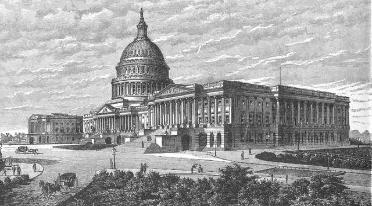
He thought ambitiously and determined he should deliver one of his
spellbinding informative lectures in the newly constructed Capital
Building before the US Congress in Washington DC.
He knew if he could present his hygienic ideas to the intelligentsia of
Washington and elected officials representing the nation’s people that
they would come to the exact same conclusions he did.
Trall was a well-respected hygienic College president and practitioner.
He traveled to Washington DC at his own expense, checked into a hotel
and took a carriage ride directly to the Capital Building to meet with his
local congressman.
“If toxemia is not eliminated, if nerve energy is not restored to normal, if
the causes of enervation are not removed and corrected, there can be no
genuine return to health.
There can be only a recession of symptoms after these have reduced
the accumulated toxemia to the toleration point and a state of
comparative comfort is again established.” Trall
Doctor Trall was lecturing in small cities throughout the country but he
wanted a bigger stage to perform on so he could push the hygienic
movement a quantum leap forward.
He thought ambitiously and determined he should deliver one of his
spellbinding informative lectures in the newly constructed Capital
Building before the US Congress in Washington DC.
He knew if he could present his hygienic ideas to the intelligentsia of
Washington and elected officials representing the nation’s people that
they would come to the exact same conclusions he did.
Trall was a well-respected hygienic College president and practitioner.
He traveled to Washington DC at his own expense, checked into a hotel
and took a carriage ride directly to the Capital Building to meet with his
local congressman.
Trall wanted his congressman to arrange a joint session of the House
and Senate so he could speak to them about a vital issue concerning the
health of the American people.
After listening carefully to the basic outline of what Trall was going to say,
the congressman told him that he respected his impeccable
qualifications but his colleagues, many of whom were medical doctors,
would never consent to such a controversial subject being discussed in
the halls of congress.
Trall was disappointed but not about to give up. It was 1862 and the
country was in the midst of a bloody civil war.
and Senate so he could speak to them about a vital issue concerning the
health of the American people.
After listening carefully to the basic outline of what Trall was going to say,
the congressman told him that he respected his impeccable
qualifications but his colleagues, many of whom were medical doctors,
would never consent to such a controversial subject being discussed in
the halls of congress.
Trall was disappointed but not about to give up. It was 1862 and the
country was in the midst of a bloody civil war.

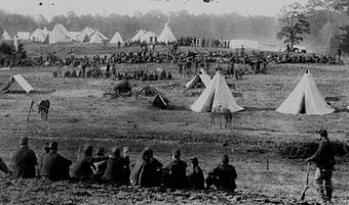
Sicknesses of all types was running rampant throughout the Union
tented camps either from battle wounds or from dreadful living and
eating conditions.
tented camps either from battle wounds or from dreadful living and
eating conditions.
Trall thought he could improve the health of the troops and the people
of the nation if they would only listen to what he had to say.
He had written letters to President Lincoln and his cabinet members
urging them to give him a hearing.
of the nation if they would only listen to what he had to say.
He had written letters to President Lincoln and his cabinet members
urging them to give him a hearing.
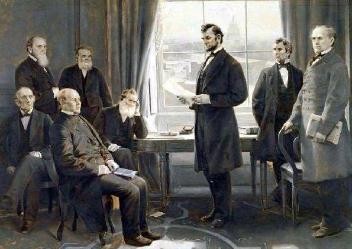
Trall never received a response.
The same was true of his letters to senators and representatives; they
were all too busy handling the problems of the war to listen to any
new ideas about healthcare treatment.
Trall was determined to find a large auditorium in the capital city where
he could give his lecture to prominent American politicians from all
branches of government, but he was getting strong resistance to his
plan.
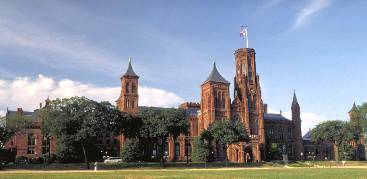
Through one of his hygienic contacts in Washington he was able to
get an appointment with the secretary of the distinguished and
world-renowned Smithsonian Institute.
The same was true of his letters to senators and representatives; they
were all too busy handling the problems of the war to listen to any
new ideas about healthcare treatment.
Trall was determined to find a large auditorium in the capital city where
he could give his lecture to prominent American politicians from all
branches of government, but he was getting strong resistance to his
plan.
Through one of his hygienic contacts in Washington he was able to
get an appointment with the secretary of the distinguished and
world-renowned Smithsonian Institute.
Trall recalls his meeting with the most influential committee member of
the Smithsonian, professor Joseph Henry.
the Smithsonian, professor Joseph Henry.
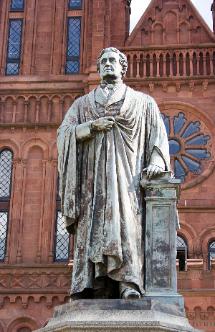
| Professor Joseph Henry 1797 – 1878 First Secretary Smithsonian Institute |
Trall writes:
“I asked professor Henry for the privilege of giving a lecture in that
temple of science, on the true healing art, and an exposition of the
errors of the present medical system.
The Professor thought my subject, though perhaps important, did not
come within the strict line of subjects proper to be discussed in the
Institution.
I reminded him that radical speakers-Emerson for example-had been
heard there, and that my subject was intrinsically more important to the
welfare of the human family than all the subjects which had been
discussed in the Institution, or would be in the next century.
Professor Henry was curious to know my points-what I would say if I
could have the chance.
I explained that my subject was a purely scientific one; that the medical
profession had always been in error respecting the fundamental
premises of medical science, and that I could show in what the error
consisted; and, moreover, explain the true premises of medical science;
and that my subject involved not only the issues of health and disease,
life and death, but the physical salvation of the human race.
I also stated that I could and would explain all of the problems in
medical science, which medical men confessed themselves unable to
explain, and even regarded as incomprehensible mysteries.
The Professor admitted that there might be some truth in my views, but
he thought I assumed too much.
No, I replied, give me the opportunity and I will prove it. How will you
prove it? Asked the Professor, with
a simplicity almost childlike. To tell you how I will prove it would be to
prove it.
Listen to me through a two-hour lecture and you shall have the proof,
which you cannot gainsay, and which all the scientific men of
Washington and the whole medical profession cannot controvert.
And here is precisely the place where my subject should be presented.
Here are a learned Medical Faculty, a capable Medical Bureau, men
distinguished in all the departments of literature and science, who are
capable of appreciating the principles of my system if true, and of
refuting them if false.
His answer reminded me of certain specimens of petrified plants and
animals I have read of, and which are, no doubt, on exhibition in the
museum of the Smithsonian.
He did not doubt that I meant well, but-and here the shoe pinched, but it
might occasion trouble.
If I lectured in the Smithsonian, the lecture might go forth to the world
having, in some sense, the endorsement, or at least the reputation of
the Institution to commend it to public attention.
He was sorry, very sorry, that circumstances were such that it would
not be prudent nor judicious to accede to my wishes. I bid good-by to
the Professor, but not to my project.” Trall
Professor Henry’s obstinate decree was a shattering blow to Trall.
He was baffled as to how such a prestigious institute of higher learning
could be so closed minded to new scientific ideas.
That night he slowly walked back to his hotel room discouraged and
disappointed.
“I asked professor Henry for the privilege of giving a lecture in that
temple of science, on the true healing art, and an exposition of the
errors of the present medical system.
The Professor thought my subject, though perhaps important, did not
come within the strict line of subjects proper to be discussed in the
Institution.
I reminded him that radical speakers-Emerson for example-had been
heard there, and that my subject was intrinsically more important to the
welfare of the human family than all the subjects which had been
discussed in the Institution, or would be in the next century.
Professor Henry was curious to know my points-what I would say if I
could have the chance.
I explained that my subject was a purely scientific one; that the medical
profession had always been in error respecting the fundamental
premises of medical science, and that I could show in what the error
consisted; and, moreover, explain the true premises of medical science;
and that my subject involved not only the issues of health and disease,
life and death, but the physical salvation of the human race.
I also stated that I could and would explain all of the problems in
medical science, which medical men confessed themselves unable to
explain, and even regarded as incomprehensible mysteries.
The Professor admitted that there might be some truth in my views, but
he thought I assumed too much.
No, I replied, give me the opportunity and I will prove it. How will you
prove it? Asked the Professor, with
a simplicity almost childlike. To tell you how I will prove it would be to
prove it.
Listen to me through a two-hour lecture and you shall have the proof,
which you cannot gainsay, and which all the scientific men of
Washington and the whole medical profession cannot controvert.
And here is precisely the place where my subject should be presented.
Here are a learned Medical Faculty, a capable Medical Bureau, men
distinguished in all the departments of literature and science, who are
capable of appreciating the principles of my system if true, and of
refuting them if false.
His answer reminded me of certain specimens of petrified plants and
animals I have read of, and which are, no doubt, on exhibition in the
museum of the Smithsonian.
He did not doubt that I meant well, but-and here the shoe pinched, but it
might occasion trouble.
If I lectured in the Smithsonian, the lecture might go forth to the world
having, in some sense, the endorsement, or at least the reputation of
the Institution to commend it to public attention.
He was sorry, very sorry, that circumstances were such that it would
not be prudent nor judicious to accede to my wishes. I bid good-by to
the Professor, but not to my project.” Trall
Professor Henry’s obstinate decree was a shattering blow to Trall.
He was baffled as to how such a prestigious institute of higher learning
could be so closed minded to new scientific ideas.
That night he slowly walked back to his hotel room discouraged and
disappointed.
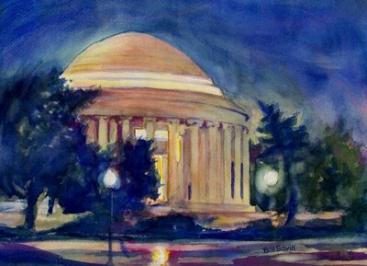
The next morning however Trall awakened with renewed optimism
and decided to make one last appeal to the Smithsonian.
He was positive about his convictions and knew the people of higher
learning would completely agree with his findings if only they would
give him the opportunity to systematically and carefully explain his
procedures for achieving ideal health.
Trall was becoming obsessed with getting the world to hear what he
had to say.
He sat down in his hotel room and drafted a letter to the Institute and
included some notations from his forthcoming book The True Healing
Art, as documented proof the professor was looking for.
and decided to make one last appeal to the Smithsonian.
He was positive about his convictions and knew the people of higher
learning would completely agree with his findings if only they would
give him the opportunity to systematically and carefully explain his
procedures for achieving ideal health.
Trall was becoming obsessed with getting the world to hear what he
had to say.
He sat down in his hotel room and drafted a letter to the Institute and
included some notations from his forthcoming book The True Healing
Art, as documented proof the professor was looking for.
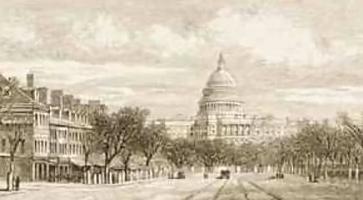
Trall drafted a letter on the Hotel Stationery:
“Washington, D. C., 487 Sixth Street, Feb. 4, 1862.
Professor Henry-Dear Sir:
I cannot go home in peace without appealing to you once more.
I have no manner of fault to find with neither my reception nor your
decision yesterday. But I am not understood.
I know that if you knew my theme, you would not only permit me to
present it before the scientific men of the capital of the nation, but you
would invite me so to do.
I can give you, in this city, and in almost any place in the civilized
world, ample references as to character, freedom from all pretentious
empiricism, etc.
My whole life has been devoted to the investigation of those medical
problems, and those relations of vital or living, and inorganic or dead
matter, which underlie all Medical Science, and are the sole basis of
the Healing Art.
I know-and I can not only prove, but I can demonstrate-that I have
ascertained the exact truth in relation to each and all of the problems
which are fundamental in medical philosophy, and which knowledge
the world is perishing for want of.
All I desire is the privilege of giving this knowledge to the world, in
such a manner as will induce it to investigate it, and accept it.
Very truly yours, for humanity,
R. T. Trall, M.D.”
Once again his request to speak at the Institute was respectfully
declined.
Trall was somewhat dejected but not yet defeated.
By chance one of his many friends in Washington heard about the
difficulty Trall was having with the Smithsonian officials.
His friend made arrangements for Trall to meet with members of the
Washington Lecture Association, a young progressive organization
especially concerned with protecting first amendment rights and
freedom of speech.
Trall could not pass up any opportunity that might allow him to speak
before a large influential audience, so he rushed over to meet with the
committee members.
“Washington, D. C., 487 Sixth Street, Feb. 4, 1862.
Professor Henry-Dear Sir:
I cannot go home in peace without appealing to you once more.
I have no manner of fault to find with neither my reception nor your
decision yesterday. But I am not understood.
I know that if you knew my theme, you would not only permit me to
present it before the scientific men of the capital of the nation, but you
would invite me so to do.
I can give you, in this city, and in almost any place in the civilized
world, ample references as to character, freedom from all pretentious
empiricism, etc.
My whole life has been devoted to the investigation of those medical
problems, and those relations of vital or living, and inorganic or dead
matter, which underlie all Medical Science, and are the sole basis of
the Healing Art.
I know-and I can not only prove, but I can demonstrate-that I have
ascertained the exact truth in relation to each and all of the problems
which are fundamental in medical philosophy, and which knowledge
the world is perishing for want of.
All I desire is the privilege of giving this knowledge to the world, in
such a manner as will induce it to investigate it, and accept it.
Very truly yours, for humanity,
R. T. Trall, M.D.”
Once again his request to speak at the Institute was respectfully
declined.
Trall was somewhat dejected but not yet defeated.
By chance one of his many friends in Washington heard about the
difficulty Trall was having with the Smithsonian officials.
His friend made arrangements for Trall to meet with members of the
Washington Lecture Association, a young progressive organization
especially concerned with protecting first amendment rights and
freedom of speech.
Trall could not pass up any opportunity that might allow him to speak
before a large influential audience, so he rushed over to meet with the
committee members.
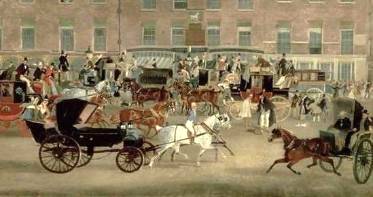
The Association had the lecture hall at the Smithsonian reserved for
them on a regular basis and after briefly interviewing Dr. Trall they
decided to give him their next time slot for the auditorium.
The organization did not necessarily endorse or reject the ideas of
Trall but simply wanted to give him an opportunity to be heard.
Trall says of their meeting:
“They invited me to deliver the next lecture of their course, in the
Smithsonian, and to select my own subject. The day was gained.
My victory was complete, thanks to the untrammeled souls of a few
young men of the Washington Lecture Association.” Trall
He was elated with the decision of the committee to protect free
discussion and give him the opportunity to address the world.
Trall comments on their verdict:
“It was enough for them that I desired to present a new subject for the
consideration of the people, and that I had been refused a hearing
simply because my theme was unknown.” Trall
them on a regular basis and after briefly interviewing Dr. Trall they
decided to give him their next time slot for the auditorium.
The organization did not necessarily endorse or reject the ideas of
Trall but simply wanted to give him an opportunity to be heard.
Trall says of their meeting:
“They invited me to deliver the next lecture of their course, in the
Smithsonian, and to select my own subject. The day was gained.
My victory was complete, thanks to the untrammeled souls of a few
young men of the Washington Lecture Association.” Trall
He was elated with the decision of the committee to protect free
discussion and give him the opportunity to address the world.
Trall comments on their verdict:
“It was enough for them that I desired to present a new subject for the
consideration of the people, and that I had been refused a hearing
simply because my theme was unknown.” Trall
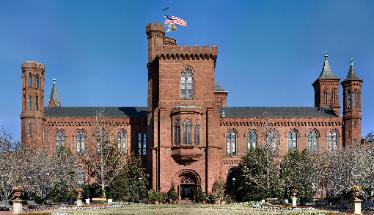
Finally his moment on the world stage had arrived.
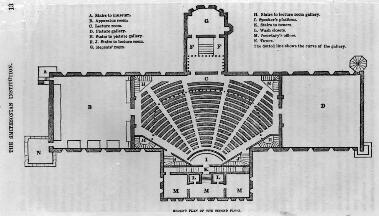
The distinguished guests enter the building and take their seats in the
great lecture hall.
The distinguished guests enter the building and take their seats in the
great lecture hall.
Trall titles the theme of his presentation The True Healing Art or
Hygienic Versus Drug Medication.
He writes of his initial reaction when he first walks into the
auditorium.
Hygienic Versus Drug Medication.
He writes of his initial reaction when he first walks into the
auditorium.
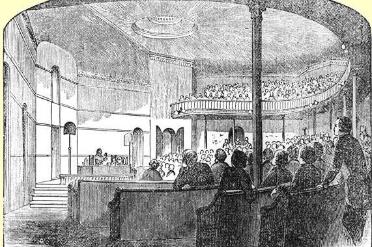
Trall states:
“I had never before faced so intelligent an audience.
There were present many members of Congress, military officers,
physicians of different schools, army surgeons, gentlemen of literary,
scientific, and judicial distinction from different States, and a large
audience of the most thinking and progressive people to be found in
Washington.” Trall
Trall Smithsonian Lecture - Complete Text
After going through all the amenities and acknowledging the
dignitaries in the audience, Trall jumps right into the heart of his thesis.
Paraphrasing familiar words from early American documents, Trall
dramatically declares his independence from the medical profession.
“I had never before faced so intelligent an audience.
There were present many members of Congress, military officers,
physicians of different schools, army surgeons, gentlemen of literary,
scientific, and judicial distinction from different States, and a large
audience of the most thinking and progressive people to be found in
Washington.” Trall
Trall Smithsonian Lecture - Complete Text
After going through all the amenities and acknowledging the
dignitaries in the audience, Trall jumps right into the heart of his thesis.
Paraphrasing familiar words from early American documents, Trall
dramatically declares his independence from the medical profession.
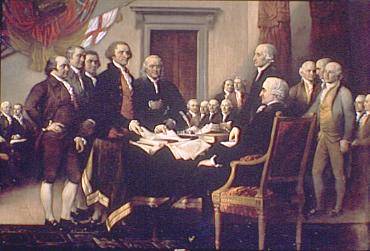
Jefferson Signing Declaration of Independence
Trall states:
“When in the course of human events, it becomes necessary for the
physicians of one School to dissolve the fraternal and philosophic bonds
which have connected them with another, and to assume, among the
institutions of the earth, the position to which Truth and Nature entitle
them, as free thinkers and independent actors, a decent respect for the
opinions of mankind, and a conscientious regard for the welfare of the
human race, should prompt them to declare the causes which impel them
to a separation.” Trall
Trall boldly beats the drum loud and clear to announce his complete
freedom from the medical profession.
“When in the course of human events, it becomes necessary for the
physicians of one School to dissolve the fraternal and philosophic bonds
which have connected them with another, and to assume, among the
institutions of the earth, the position to which Truth and Nature entitle
them, as free thinkers and independent actors, a decent respect for the
opinions of mankind, and a conscientious regard for the welfare of the
human race, should prompt them to declare the causes which impel them
to a separation.” Trall
Trall boldly beats the drum loud and clear to announce his complete
freedom from the medical profession.
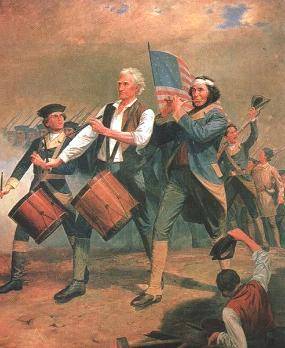
Trall, in a confident Spirit of 76’ combative tone, continues his
denouncement of the medical profession:
“I hold these truths to be self-evident, or, at least, susceptible of positive
proof and absolute demonstration That the doctrines and theories
commonly entertained among men, and taught in medical schools and
books, and practiced by the great body of the medical profession, and
which constitute the so-called Science of Medicine, and on which the
popular practice of the so-called Healing Art is predicated, are untrue in
philosophy, absurd in science, in opposition to Nature, and in direct
conflict with every law of the vital organism.
And that these are the reasons, and the only reasons, why medical
science does not progress as do all other sciences; why success in the
healing art bears no relation to the advancement of all of the collateral
sciences, and to the progress of intelligence among mankind; why medical
theories are ever changing; why all of its assumed principles are in
controversy; its hypotheses in dispute; why its fundamental rules and
primary premises are wholly overlooked or misunderstood; and why its
application to the cure of disease and the preservation of health is so
uncertain, so dangerous, often so fatal, and, on the whole, so vastly more
injurious than useful to the world.” Trall
denouncement of the medical profession:
“I hold these truths to be self-evident, or, at least, susceptible of positive
proof and absolute demonstration That the doctrines and theories
commonly entertained among men, and taught in medical schools and
books, and practiced by the great body of the medical profession, and
which constitute the so-called Science of Medicine, and on which the
popular practice of the so-called Healing Art is predicated, are untrue in
philosophy, absurd in science, in opposition to Nature, and in direct
conflict with every law of the vital organism.
And that these are the reasons, and the only reasons, why medical
science does not progress as do all other sciences; why success in the
healing art bears no relation to the advancement of all of the collateral
sciences, and to the progress of intelligence among mankind; why medical
theories are ever changing; why all of its assumed principles are in
controversy; its hypotheses in dispute; why its fundamental rules and
primary premises are wholly overlooked or misunderstood; and why its
application to the cure of disease and the preservation of health is so
uncertain, so dangerous, often so fatal, and, on the whole, so vastly more
injurious than useful to the world.” Trall
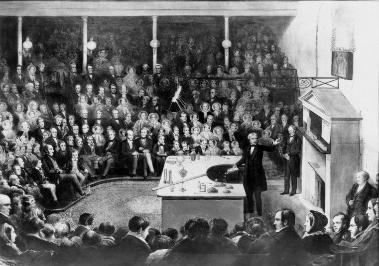
Trall holds the attention of this elite group of professionals with original
unorthodox proclamations.
The audience was somewhat stunned by his forthright condemnation of
the highly esteemed medical profession. Trall Continues:
"There are but two medical systems in existence, the Drug-Medical
System and the Hygienic Medical System.
One employs poisons as the proper and natural remedies for disease; the
other employs normal or hygienic materials and agencies.” Trall
Doctor Trall, performing like a trial lawyer fascinates his prestigious
audience with thoughtful iconoclastic assertions:
“I charge and shall undertake to prove-nay, I shall prove, for it is true, and
I have the evidence-that the regular medical profession, in all of its
standard authorities, text-books and schools, and in all its current
periodicals, and in all of its floating literature, and in all of its history, and
in all the lectures of its living authors; teaches a False Doctrine of the
Nature of Disease and a False Doctrine of the Action of Remedies.
Truth never lies between two extremes, it is always one extreme or the
other, it is not between a flat earth or a round earth, but is one or the
other.” Trall
unorthodox proclamations.
The audience was somewhat stunned by his forthright condemnation of
the highly esteemed medical profession. Trall Continues:
"There are but two medical systems in existence, the Drug-Medical
System and the Hygienic Medical System.
One employs poisons as the proper and natural remedies for disease; the
other employs normal or hygienic materials and agencies.” Trall
Doctor Trall, performing like a trial lawyer fascinates his prestigious
audience with thoughtful iconoclastic assertions:
“I charge and shall undertake to prove-nay, I shall prove, for it is true, and
I have the evidence-that the regular medical profession, in all of its
standard authorities, text-books and schools, and in all its current
periodicals, and in all of its floating literature, and in all of its history, and
in all the lectures of its living authors; teaches a False Doctrine of the
Nature of Disease and a False Doctrine of the Action of Remedies.
Truth never lies between two extremes, it is always one extreme or the
other, it is not between a flat earth or a round earth, but is one or the
other.” Trall

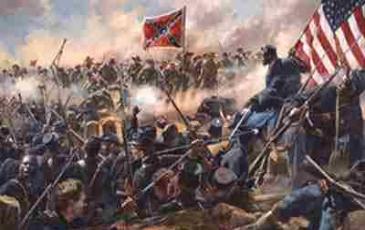
Trall tells his audience that the crucial information he has to offer them
goes beyond the victims of the civil war and would benefit the health of
the nation and the world for centuries to come. He said:
“Even this mighty and majestic war you are now waging so successfully
upon the Contraband Confederacy does not involve the prosperity and
destiny of our country so deeply as do the principles on which I wage
exterminating war against a false medical system.” Trall
goes beyond the victims of the civil war and would benefit the health of
the nation and the world for centuries to come. He said:
“Even this mighty and majestic war you are now waging so successfully
upon the Contraband Confederacy does not involve the prosperity and
destiny of our country so deeply as do the principles on which I wage
exterminating war against a false medical system.” Trall
Trall engages his audience and challenges them to understand how
this subject is important to everyone:
“And what interests have you, Ladies and Gentlemen, in this
discussion?
Who appreciates health except those who have lost it? Who values life
till it trembles on the verge of the grave?
Tell me what value you place on health; inform me what advantage it
would be to you to be relieved of all danger and all apprehension of
dying of disease; say what you are worth to yourselves, to your
families, to society, to humanity, and then I will calculate the value of
my subject to you.” Trall
He pauses for a moment and then quickly gets to the heart of his
lecture:
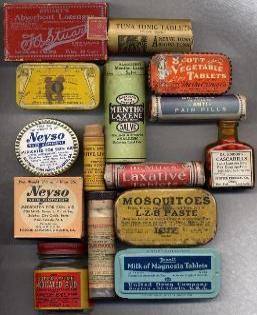
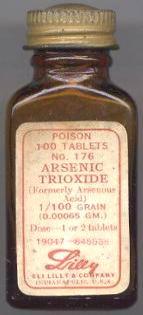
“Drug Medication, no matter in what disguise nor under what name it is
practiced, consists in employing, as remedies for diseases, those
things which produce disease in well persons.
Its materia medica is simply a list of drugs, chemicals, and dyestuffs-in
a word, poisons.
They may be vegetable, animal, or mineral, and may be called
apothecary stuff or medicines; but they are, nevertheless, poisons.
They may come to us in the shape of acids, alkalis, salts, oxides,
earths, roots, barks, seeds, leaves, flowers, gums, resins, secretions,
excretions, etc., but all are subversive of organic structures; all are
incompatible with vital functions; all are antagonistic to living matter; all
produce disease when brought in contact in any manner with the living
domain; truly all are poisons.” Trall
this subject is important to everyone:
“And what interests have you, Ladies and Gentlemen, in this
discussion?
Who appreciates health except those who have lost it? Who values life
till it trembles on the verge of the grave?
Tell me what value you place on health; inform me what advantage it
would be to you to be relieved of all danger and all apprehension of
dying of disease; say what you are worth to yourselves, to your
families, to society, to humanity, and then I will calculate the value of
my subject to you.” Trall
He pauses for a moment and then quickly gets to the heart of his
lecture:
“Drug Medication, no matter in what disguise nor under what name it is
practiced, consists in employing, as remedies for diseases, those
things which produce disease in well persons.
Its materia medica is simply a list of drugs, chemicals, and dyestuffs-in
a word, poisons.
They may be vegetable, animal, or mineral, and may be called
apothecary stuff or medicines; but they are, nevertheless, poisons.
They may come to us in the shape of acids, alkalis, salts, oxides,
earths, roots, barks, seeds, leaves, flowers, gums, resins, secretions,
excretions, etc., but all are subversive of organic structures; all are
incompatible with vital functions; all are antagonistic to living matter; all
produce disease when brought in contact in any manner with the living
domain; truly all are poisons.” Trall
Trall continued to offer convincing evidence.
He told several stories of how he nursed his ailing patients back to health
with only rest and water.
He showed the audience certified written testimonials by dozens of
former medical doctors from around the world who denounced drug
treatment in favor of natural hygienics.
The audience remained engaged and attentive throughout his entire
lecture.
Finally Trall thanks them for their patience and makes his closing
remarks:
“I appeal to your medical men, to your professors of science, to show
wherein I am in error.
I conclude with a single remark.
Wherever the Hygienic Healing System is adopted--humanity improves in
all the relations of its existence.
And these, Ladies and Gentlemen, are the reasons why I esteem the
opportunity to speak in this place so auspicious for the cause I represent,
and so important to the welfare of the great human family.” Trall
Trall was ecstatic that he was finally able to present his case on a
national and world stage.
He was quite satisfied with his performance and thought the lecture went
extremely well.
He critiqued his audience:
“The reader may judge of the interest felt in my subject, when I state that
the audience listened with profound attention for two hours and a half--
from eight o'clock to half-past ten and if one can judge from the repeated
plaudits of the audience, I had the full sympathy of at least nine-tenths of
the house.” Trall.
The Smithsonian speech was well received throughout the country and
as a result of all the favorable publicity the natural hygienic movement
was growing in popularity.
However Trall was concerned that too many of his hygienic colleagues
were succumbing to patient demand for medication and adding popular
faddish treatments to their practice.
He was determined to keep the philosophy of natural hygienics true to
the laws of nature.
Trall addresses his colleagues through a monthly hygienic journal:
“Two systems, antagonistic to each other, cannot both be based on
correct principles.
The Hygienist can never rise above the excellence, which belongs to his
calling; he cannot rise above the innate dignity that springs from it.
Either the principles that underlie Hygiene are correct and we should
adhere to them, else they are false and we should abandon them.
There can be no middle ground here.
The man who insists upon practicing some of the so-called healing arts
should take his proper place with the school of healing whose arts he
employs and should not call himself a Hygienist.
Is it not laughable, the complacency that can combine the two in practice
and call the practice Hygiene?” Trall
Shelton also addresses so-called natural healthcare practitioners who
think it is okay to occasionally use drugs in an extreme emergency when
disease is threatening the patient’s life.
He says it is a fallacy to think that adding more poison to the patient can
be helpful.
It makes no sense to give a chemo drug that the body will violently reject
to a sick patient already in crisis mode.
Drug intervention during a cleansing crisis is illogical, exacerbates the
healing process and can be detrimental to recovery.
Shelton says:
“The medical profession is in error of supposing that the danger in
disease is in proportion to the intensity of the remedial action, the
symptoms, or they would not have thought it necessary to control and
regulate the remedial process.
They would have recognized that the remedial process is regulated,
directed and controlled by the laws of nature and these are more certain
and accurate in their work than any man can be.” Shelton
Trall greatly advanced the cause of Natural Hygiene in America and
succeeded in getting his basic message heard by millions of people.
Trall sums up the simplicity of his philosophy:
"I have never used any other substance as a specific remedy for disease
but water.
I produce results with water, which no man has produced by any other
means.
As far as I have strength, the people of this land shall be led to feel and
believe, that in all cases of disease, water is the best medication that man
can possibly have.” Trall
It was now up to the next generation of hygienic advocates to pick up the
gauntlet and challenge the veracity of the germ theory and its
proponents in the powerful pharmaceutical industry.
The drug companies and their affiliate distributors were promoting fear of
contagious disease and quick but dangerous chemical solutions to cure
cleansing symptoms.
Jennings and Trall constructed a solid foundation of indisputable
scientific facts for non-invasive natural healthcare.
They paved the way for future doctors with foresight and curiosity who
want to build upon the knowledge of natural healthcare laws they thus
far established.
Who would grab the wavering banner of the natural hygienic movement
and continue to shine the light on this predictable methodology for
obtaining optimal health?
As we move toward the latter part of the 19th century the germ theory of
disease is quickly obtaining a strong foothold in America and growing in
popularity.
However, the hygienic movement, despite all the rage regarding Pasteur’
s new discovery, was still managing to attract a large segment of the
population.
A new hero for the hygienic movement emerges in the mid-western part
of America.
A clear distinct voice for sanity and reason in the healthcare profession
speaks out to the world through his books about non-medicinal
treatments for disease.
He boastfully informs everyone that unlike Pasteur he has found the real
cause and cure for all disease.
After years of administering drugs without beneficial results, a number of
trained medical doctors, with the inquisitive intellect of Jennings and
Trall, were gradually moving their patients toward the safer, more reliable
practice of natural healing.
One of those outspoken innovative doctors who slowly evolved from
prescribing medicine to exclusively practicing natural hygiene was John
Tilden, M.D.
He told several stories of how he nursed his ailing patients back to health
with only rest and water.
He showed the audience certified written testimonials by dozens of
former medical doctors from around the world who denounced drug
treatment in favor of natural hygienics.
The audience remained engaged and attentive throughout his entire
lecture.
Finally Trall thanks them for their patience and makes his closing
remarks:
“I appeal to your medical men, to your professors of science, to show
wherein I am in error.
I conclude with a single remark.
Wherever the Hygienic Healing System is adopted--humanity improves in
all the relations of its existence.
And these, Ladies and Gentlemen, are the reasons why I esteem the
opportunity to speak in this place so auspicious for the cause I represent,
and so important to the welfare of the great human family.” Trall
Trall was ecstatic that he was finally able to present his case on a
national and world stage.
He was quite satisfied with his performance and thought the lecture went
extremely well.
He critiqued his audience:
“The reader may judge of the interest felt in my subject, when I state that
the audience listened with profound attention for two hours and a half--
from eight o'clock to half-past ten and if one can judge from the repeated
plaudits of the audience, I had the full sympathy of at least nine-tenths of
the house.” Trall.
The Smithsonian speech was well received throughout the country and
as a result of all the favorable publicity the natural hygienic movement
was growing in popularity.
However Trall was concerned that too many of his hygienic colleagues
were succumbing to patient demand for medication and adding popular
faddish treatments to their practice.
He was determined to keep the philosophy of natural hygienics true to
the laws of nature.
Trall addresses his colleagues through a monthly hygienic journal:
“Two systems, antagonistic to each other, cannot both be based on
correct principles.
The Hygienist can never rise above the excellence, which belongs to his
calling; he cannot rise above the innate dignity that springs from it.
Either the principles that underlie Hygiene are correct and we should
adhere to them, else they are false and we should abandon them.
There can be no middle ground here.
The man who insists upon practicing some of the so-called healing arts
should take his proper place with the school of healing whose arts he
employs and should not call himself a Hygienist.
Is it not laughable, the complacency that can combine the two in practice
and call the practice Hygiene?” Trall
Shelton also addresses so-called natural healthcare practitioners who
think it is okay to occasionally use drugs in an extreme emergency when
disease is threatening the patient’s life.
He says it is a fallacy to think that adding more poison to the patient can
be helpful.
It makes no sense to give a chemo drug that the body will violently reject
to a sick patient already in crisis mode.
Drug intervention during a cleansing crisis is illogical, exacerbates the
healing process and can be detrimental to recovery.
Shelton says:
“The medical profession is in error of supposing that the danger in
disease is in proportion to the intensity of the remedial action, the
symptoms, or they would not have thought it necessary to control and
regulate the remedial process.
They would have recognized that the remedial process is regulated,
directed and controlled by the laws of nature and these are more certain
and accurate in their work than any man can be.” Shelton
Trall greatly advanced the cause of Natural Hygiene in America and
succeeded in getting his basic message heard by millions of people.
Trall sums up the simplicity of his philosophy:
"I have never used any other substance as a specific remedy for disease
but water.
I produce results with water, which no man has produced by any other
means.
As far as I have strength, the people of this land shall be led to feel and
believe, that in all cases of disease, water is the best medication that man
can possibly have.” Trall
It was now up to the next generation of hygienic advocates to pick up the
gauntlet and challenge the veracity of the germ theory and its
proponents in the powerful pharmaceutical industry.
The drug companies and their affiliate distributors were promoting fear of
contagious disease and quick but dangerous chemical solutions to cure
cleansing symptoms.
Jennings and Trall constructed a solid foundation of indisputable
scientific facts for non-invasive natural healthcare.
They paved the way for future doctors with foresight and curiosity who
want to build upon the knowledge of natural healthcare laws they thus
far established.
Who would grab the wavering banner of the natural hygienic movement
and continue to shine the light on this predictable methodology for
obtaining optimal health?
As we move toward the latter part of the 19th century the germ theory of
disease is quickly obtaining a strong foothold in America and growing in
popularity.
However, the hygienic movement, despite all the rage regarding Pasteur’
s new discovery, was still managing to attract a large segment of the
population.
A new hero for the hygienic movement emerges in the mid-western part
of America.
A clear distinct voice for sanity and reason in the healthcare profession
speaks out to the world through his books about non-medicinal
treatments for disease.
He boastfully informs everyone that unlike Pasteur he has found the real
cause and cure for all disease.
After years of administering drugs without beneficial results, a number of
trained medical doctors, with the inquisitive intellect of Jennings and
Trall, were gradually moving their patients toward the safer, more reliable
practice of natural healing.
One of those outspoken innovative doctors who slowly evolved from
prescribing medicine to exclusively practicing natural hygiene was John
Tilden, M.D.
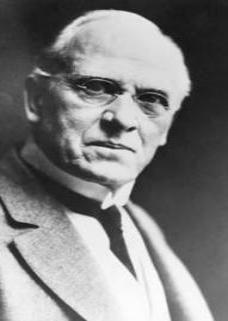
John Tilden, M.D. 1851-1940
Shelton drew his inspiration from hundreds of healthcare practitioners
but singled out Jennings, Trall, Graham and Tilden as his greatest
influence.
So in deference to the learned Dr. Shelton let us briefly explore the life of
John Tilden, M.D., and see what he has to contribute to the subject.
Tilden went to medical school in Cincinnati, Ohio and in 1872 graduated
with a degree in Doctor of Medicine.
Dr. Tilden was trained as a medical physician when the germ theory was
just beginning to blossom.
He began his practice in a small town in Illinois adhering to the usual
medical procedures of diagnosing a disease and prescribing a
medication to combat said disease.
It took Tilden quite a few years before he realized the futility of
administering drugs to a patient that was in poor health due to improper
living habits, rather than germs.
For Tilden it was his lack of success with patients and the unpredictable
results obtained from drugs that drove him to look elsewhere for
answers.
but singled out Jennings, Trall, Graham and Tilden as his greatest
influence.
So in deference to the learned Dr. Shelton let us briefly explore the life of
John Tilden, M.D., and see what he has to contribute to the subject.
Tilden went to medical school in Cincinnati, Ohio and in 1872 graduated
with a degree in Doctor of Medicine.
Dr. Tilden was trained as a medical physician when the germ theory was
just beginning to blossom.
He began his practice in a small town in Illinois adhering to the usual
medical procedures of diagnosing a disease and prescribing a
medication to combat said disease.
It took Tilden quite a few years before he realized the futility of
administering drugs to a patient that was in poor health due to improper
living habits, rather than germs.
For Tilden it was his lack of success with patients and the unpredictable
results obtained from drugs that drove him to look elsewhere for
answers.