 | |  | |  | |  | |  | |  |


| | | | | | | | | | |




























An inability to conform to the laws of nature does not alter the fact that the
natural approach to ideal health is the only medication that works safely
and consistently in preventing and curing disease.
Once we understand the cause and effect of disease we no longer have to
be frightened into taking highly toxic drugs to correct a cleansing symptom
that is mistakenly diagnosed as a germ attack.
The evidence is indisputable; the hygienic treatment for sickness and
disease is the only trustworthy and safe prescription for complete and
sustained recovery.
natural approach to ideal health is the only medication that works safely
and consistently in preventing and curing disease.
Once we understand the cause and effect of disease we no longer have to
be frightened into taking highly toxic drugs to correct a cleansing symptom
that is mistakenly diagnosed as a germ attack.
The evidence is indisputable; the hygienic treatment for sickness and
disease is the only trustworthy and safe prescription for complete and
sustained recovery.

If we do not eliminate the causes of illness no amount of medication will
save us from the inevitable deterioration that comes from over abusing
the system.
Understanding how we develop disease will help us avoid the mistake
of interfering with the body’s natural sanitizing mechanism.
When we toss aspirin, codeine and other medications into our purifying
system we aggravate and overwork the decontamination process.
If we are unable to always live within the nutritional demands made by
nature at least we should recognize that when we do get sick we are
only experiencing a cleansing illness and not a germ attack.
save us from the inevitable deterioration that comes from over abusing
the system.
Understanding how we develop disease will help us avoid the mistake
of interfering with the body’s natural sanitizing mechanism.
When we toss aspirin, codeine and other medications into our purifying
system we aggravate and overwork the decontamination process.
If we are unable to always live within the nutritional demands made by
nature at least we should recognize that when we do get sick we are
only experiencing a cleansing illness and not a germ attack.
Adding a chemotherapy treatment to an already overstressed body will
only disrupt the delicate internal organs struggling to cleanse
themselves free of toxins.
At the beginning of the 20th century the medical profession is forging
ahead like a locomotive and they appear to be winning the popularity
race, gaining extensive public support for their germ theory of disease.
only disrupt the delicate internal organs struggling to cleanse
themselves free of toxins.
At the beginning of the 20th century the medical profession is forging
ahead like a locomotive and they appear to be winning the popularity
race, gaining extensive public support for their germ theory of disease.

The medical doctors were not winning the competition to uncover the
truth but they were winning over patients looking for quick treatments
that did not involve any lifestyle change.
The pharmaceutical industry using scare tactics about flu epidemics and
other dangerous contagious germs was gaining widespread influence
with an unhealthy and terrified public.
Shelton states:
“Medicine holds that diseases are caused by germs, viruses, parasites,
etc.
Hygiene teaches that diseases result from violations of the laws of life.
Medicine teaches that disease may be prevented by immunization.
Hygiene teaches that obedience to the laws of life is the only preventive
of disease.” Shelton
In the field of medicine the patient is generally not questioned about their
diet or living habits.
The doctor simply prescribes a medication that will destroy the germs
that he believes are causing the illness.
Whereas the Hygienic doctor always includes his or her patient in the
healing process.
truth but they were winning over patients looking for quick treatments
that did not involve any lifestyle change.
The pharmaceutical industry using scare tactics about flu epidemics and
other dangerous contagious germs was gaining widespread influence
with an unhealthy and terrified public.
Shelton states:
“Medicine holds that diseases are caused by germs, viruses, parasites,
etc.
Hygiene teaches that diseases result from violations of the laws of life.
Medicine teaches that disease may be prevented by immunization.
Hygiene teaches that obedience to the laws of life is the only preventive
of disease.” Shelton
In the field of medicine the patient is generally not questioned about their
diet or living habits.
The doctor simply prescribes a medication that will destroy the germs
that he believes are causing the illness.
Whereas the Hygienic doctor always includes his or her patient in the
healing process.

Shelton says:
"Medical men do not teach people how to live, but on the contrary, dose
their customers with substances that are antagonistic to life and to the
functions of the vital organism, and if life is not destroyed by their dosing,
health is greatly impaired.” Shelton
The hygienic doctor does not waste his time hunting down harmless
germs or inject his patients with poison.
He treats his patients naturally, without drugs, and teaches them how to
maintain a healthy body through mental composure and proper
nourishment.
"Medical men do not teach people how to live, but on the contrary, dose
their customers with substances that are antagonistic to life and to the
functions of the vital organism, and if life is not destroyed by their dosing,
health is greatly impaired.” Shelton
The hygienic doctor does not waste his time hunting down harmless
germs or inject his patients with poison.
He treats his patients naturally, without drugs, and teaches them how to
maintain a healthy body through mental composure and proper
nourishment.

Consuming tasty fresh food not only prevents illness but also allows us
to fully enjoy all the fruits of life and activities that a healthy body
permits.
The stark contrast between the medical profession and the doctors of
hygiene has been clearly established.
From my perspective and personal experience it is difficult to refute the
successful claims made by the hygienists.
In the face of such overwhelming evidence it is puzzling why the
hygienic movement has not yet been fully embraced as accepted
science?
While I do not wish to overly impugn the integrity of the medical
profession nevertheless it is essential that we examine the possible
fiduciary motives behind the promotion of prescription drugs.
It is evident to many observers that the drug industry is influenced by
profits and willing to mislead the public about the effectiveness of their
product.
Most professionals whether right or wrong regarding their science,
have decent honorable intentions.
However, we are engaged in a debate involving life and death issues
and sometimes the temptation of a few pieces of silver can guide people
to twist the truth.
It would be irresponsible if we did not carefully scrutinize all facets of
the healthcare business including the influence of money and its affect
on compromising principles.
Dr. Virginia Vetrano, D.C., interned for many years with Dr. Shelton at his
health center in Texas.
to fully enjoy all the fruits of life and activities that a healthy body
permits.
The stark contrast between the medical profession and the doctors of
hygiene has been clearly established.
From my perspective and personal experience it is difficult to refute the
successful claims made by the hygienists.
In the face of such overwhelming evidence it is puzzling why the
hygienic movement has not yet been fully embraced as accepted
science?
While I do not wish to overly impugn the integrity of the medical
profession nevertheless it is essential that we examine the possible
fiduciary motives behind the promotion of prescription drugs.
It is evident to many observers that the drug industry is influenced by
profits and willing to mislead the public about the effectiveness of their
product.
Most professionals whether right or wrong regarding their science,
have decent honorable intentions.
However, we are engaged in a debate involving life and death issues
and sometimes the temptation of a few pieces of silver can guide people
to twist the truth.
It would be irresponsible if we did not carefully scrutinize all facets of
the healthcare business including the influence of money and its affect
on compromising principles.
Dr. Virginia Vetrano, D.C., interned for many years with Dr. Shelton at his
health center in Texas.
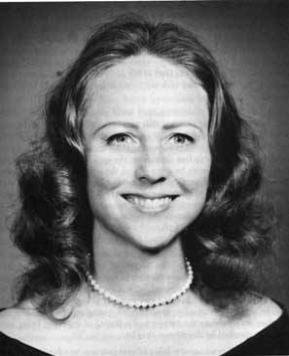
| Dr. Virginia Vetrano 1930- |
She describes Dr. Shelton as:
"Humorous, joking, playful, loving, and delightful to be around because of
the twinkle in his eye." Vetrano
Still bitter over the way her mentor Dr. Shelton was mistreated by the
medication industry, Vetrano sharply questions the ulterior motives of
the doctors who were constantly harassing her colleague.
Vetrano angrily states:
“If you harbor the illusion that the medical profession is composed of
altruistic, philanthropic and gentle mannered gentlemen, then you are
indeed naive.
The whole of their inoculating and drugging practice is one huge
commercial frame-up against the people.
Physicians have learned to drug their patients and they know nothing
else.
There is also the fact that for each treatment, a handsome fee is
received.” Vetrano
Dr. Vetrano is convinced that the profit motive was the predominant
reason for the persecution of Dr. Shelton. She says:
“Long ago Dr. Shelton realized what thousands in the Hygienic
movement do not yet realize, that you cannot convert what Graham called
the "drugging cult" into Hygienists.
Consequently, all his efforts and aims have been toward educating the
common people into better ways of life, in order to free them from the
spell of the drug pusher.” Vetrano
Dr. Vetrano thinks that in addition to the profit motive delaying progress
in healthcare, medical schools are not encouraging freethinking, they
demand that students follow the drug curriculum faithfully.
Vetrano comments on the mind-set of medical graduates:
“Many fools pass as very wise men solely because they have memorized
the contents of numerous textbooks and passed the standard
examinations, but they know nothing about the laws of life.” Vetrano
Dr. Vetrano remained a devoted student of Shelton and the hygienic
movement and comments on the enormous legacy he left the world.
She writes:
“Dr. Shelton has made his position clear on this greatest of all
movements in the history of mankind.
He has spent 48 years writing about Hygiene, so that Hygiene's position
would be well documented.” Vetrano
It is not only loyal followers of Shelton that question the motives of the
drug industry.
Independent thinkers with great intellect and common sense are also
very suspicious of the medical profession.
George Bernard Shaw was one of the most highly esteemed playwrights
in Great Britain since Shakespeare astounded the world with his wit and
eloquence.
"Humorous, joking, playful, loving, and delightful to be around because of
the twinkle in his eye." Vetrano
Still bitter over the way her mentor Dr. Shelton was mistreated by the
medication industry, Vetrano sharply questions the ulterior motives of
the doctors who were constantly harassing her colleague.
Vetrano angrily states:
“If you harbor the illusion that the medical profession is composed of
altruistic, philanthropic and gentle mannered gentlemen, then you are
indeed naive.
The whole of their inoculating and drugging practice is one huge
commercial frame-up against the people.
Physicians have learned to drug their patients and they know nothing
else.
There is also the fact that for each treatment, a handsome fee is
received.” Vetrano
Dr. Vetrano is convinced that the profit motive was the predominant
reason for the persecution of Dr. Shelton. She says:
“Long ago Dr. Shelton realized what thousands in the Hygienic
movement do not yet realize, that you cannot convert what Graham called
the "drugging cult" into Hygienists.
Consequently, all his efforts and aims have been toward educating the
common people into better ways of life, in order to free them from the
spell of the drug pusher.” Vetrano
Dr. Vetrano thinks that in addition to the profit motive delaying progress
in healthcare, medical schools are not encouraging freethinking, they
demand that students follow the drug curriculum faithfully.
Vetrano comments on the mind-set of medical graduates:
“Many fools pass as very wise men solely because they have memorized
the contents of numerous textbooks and passed the standard
examinations, but they know nothing about the laws of life.” Vetrano
Dr. Vetrano remained a devoted student of Shelton and the hygienic
movement and comments on the enormous legacy he left the world.
She writes:
“Dr. Shelton has made his position clear on this greatest of all
movements in the history of mankind.
He has spent 48 years writing about Hygiene, so that Hygiene's position
would be well documented.” Vetrano
It is not only loyal followers of Shelton that question the motives of the
drug industry.
Independent thinkers with great intellect and common sense are also
very suspicious of the medical profession.
George Bernard Shaw was one of the most highly esteemed playwrights
in Great Britain since Shakespeare astounded the world with his wit and
eloquence.
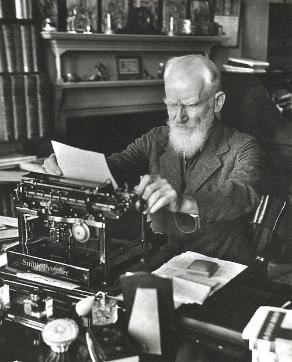
| George Bernard Shaw 1856-1950 |
Shaw had the distinction of being the only person to ever win an Oscar
for his screenplay of Pygmalion and also the winner of the Nobel Prize
for literature.
He disliked public honors but at his wife’s behest he accepted the Nobel
award but refused the prize money.
for his screenplay of Pygmalion and also the winner of the Nobel Prize
for literature.
He disliked public honors but at his wife’s behest he accepted the Nobel
award but refused the prize money.
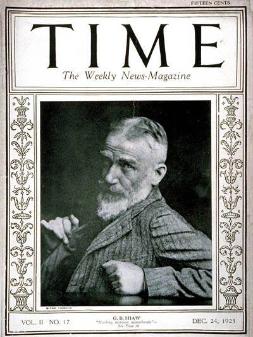
| George Bernard Shaw Time Magazine 1923 |
In his play The Doctors Dilemma a satirical look at the medical
profession he emphasizes the point repeatedly that doctors in private
practice cannot be trusted.
He believes that only doctors on the public payroll who would not
benefit financially from prescribing unnecessary procedures are the
only physicians that can be relied upon.
Shaw believed that the profit motive in healthcare made the physician
and surgeons advice unreliable.
He feels that doctors in private practice are untrustworthy because
they are more concerned about making a profit from the patient than
they are with helping them to recover properly.
Shaw’s logic regarding human behavior when money is involved was
very instrumental in getting public healthcare for all citizens of Great
Britain.
With his biting sense of humor Shaw begins his play by warning his
audience.
profession he emphasizes the point repeatedly that doctors in private
practice cannot be trusted.
He believes that only doctors on the public payroll who would not
benefit financially from prescribing unnecessary procedures are the
only physicians that can be relied upon.
Shaw believed that the profit motive in healthcare made the physician
and surgeons advice unreliable.
He feels that doctors in private practice are untrustworthy because
they are more concerned about making a profit from the patient than
they are with helping them to recover properly.
Shaw’s logic regarding human behavior when money is involved was
very instrumental in getting public healthcare for all citizens of Great
Britain.
With his biting sense of humor Shaw begins his play by warning his
audience.
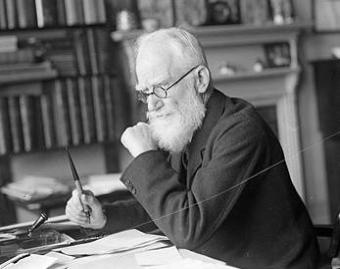
Shaw writes:
“Nothing is more dangerous than a poor doctor.
Of all the anti-social vested interests the worst is the vested interest in ill-
health.
Treat the private operator exactly as you would treat a private executioner.
Treat persons who profess to be able to cure disease as you treat fortune
tellers.” Shaw
He has no financial stake in the dispute between medical doctors verses
hygienic doctors yet from his objective point of view he believes the
medical profession is stubbornly avoiding the truth. Shaw states:
“Doctors instinctively avoid all facts that are reassuring, and eagerly
swallow those that make it a marvel that anyone could possibly survive
three days in an atmosphere consisting mainly of countless pathogenic
germs.
They conceive microbes as immortal until slain by a germicide
administered by a duly qualified medical man.
The distinction between a quack doctor and a qualified one is mainly that
only the qualified one is authorized to sign death certificates.” Shaw
Pulitzer prize winning author Upton Sinclair states:
"It is difficult to get a man to understand something, when his salary
depends upon his not understanding it." Sinclair
Shaw directs his sarcasm at the notion that doctors are always altruistic
and never base their healthcare decisions on financial reward.
Shaw says:
“In the face of economic pressure, it is silly to expect that medical
teaching, any more than medical practice, can possibly be scientific.
The test to which all methods of treatment are finally brought is whether
they are lucrative to doctors or not.” Shaw
He continues:
“Nobody supposes that doctors are less virtuous than judges; but a judge
whose salary and reputation depended on whether the verdict was for
plaintiff or defendant, prosecutor or prisoner, would be as little trusted as a
general in the pay of the enemy.” Shaw
He contends that once doctors become businessmen instead of
physicians to the people, the quality of care suffers dramatically as the
profits for the practitioner increases significantly.
Shaw tells us how medical doctors create business:
“A demand can be inculcated.
By making doctors tradesmen, we compel them to learn the tricks of trade;
consequently we find that the fashions of the year include treatments,
operations, and particular drugs.
Tonsils, appendices, even ovaries are sacrificed because it is the fashion
to get them cut out, and because the operations are highly profitable.
Fashions, after all, are only induced epidemics, proving that epidemics can
be induced by tradesmen, and therefore by doctors.” Shaw
Even Dr. Trall in his lecture at the Smithsonian Institute cautioned his
audience that doctors should be paid on a meritorious basis. Trall said:
“Pay your physician when you are well, and stop his pay when you are
sick.
Let your health be to his advantage, and not your sickness his
opportunity.
Then he will study Hygiene, which keeps you well, instead of druggery,
which complicates your maladies and keeps you sick.
As it is now, he is hired, virtually bribed, to do the very worst he can for
you.” Trall
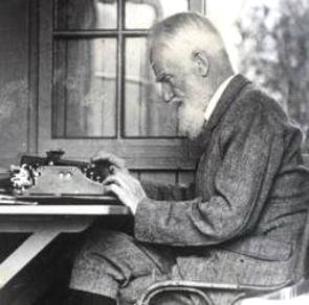
Shaw believed in the philosophy of natural hygienics and was a
vegetarian for health and humane reasons.
He loved and respected animals and remained a cantankerous critic of
the medical profession until his death at the age of 94.
“Nothing is more dangerous than a poor doctor.
Of all the anti-social vested interests the worst is the vested interest in ill-
health.
Treat the private operator exactly as you would treat a private executioner.
Treat persons who profess to be able to cure disease as you treat fortune
tellers.” Shaw
He has no financial stake in the dispute between medical doctors verses
hygienic doctors yet from his objective point of view he believes the
medical profession is stubbornly avoiding the truth. Shaw states:
“Doctors instinctively avoid all facts that are reassuring, and eagerly
swallow those that make it a marvel that anyone could possibly survive
three days in an atmosphere consisting mainly of countless pathogenic
germs.
They conceive microbes as immortal until slain by a germicide
administered by a duly qualified medical man.
The distinction between a quack doctor and a qualified one is mainly that
only the qualified one is authorized to sign death certificates.” Shaw
Pulitzer prize winning author Upton Sinclair states:
"It is difficult to get a man to understand something, when his salary
depends upon his not understanding it." Sinclair
Shaw directs his sarcasm at the notion that doctors are always altruistic
and never base their healthcare decisions on financial reward.
Shaw says:
“In the face of economic pressure, it is silly to expect that medical
teaching, any more than medical practice, can possibly be scientific.
The test to which all methods of treatment are finally brought is whether
they are lucrative to doctors or not.” Shaw
He continues:
“Nobody supposes that doctors are less virtuous than judges; but a judge
whose salary and reputation depended on whether the verdict was for
plaintiff or defendant, prosecutor or prisoner, would be as little trusted as a
general in the pay of the enemy.” Shaw
He contends that once doctors become businessmen instead of
physicians to the people, the quality of care suffers dramatically as the
profits for the practitioner increases significantly.
Shaw tells us how medical doctors create business:
“A demand can be inculcated.
By making doctors tradesmen, we compel them to learn the tricks of trade;
consequently we find that the fashions of the year include treatments,
operations, and particular drugs.
Tonsils, appendices, even ovaries are sacrificed because it is the fashion
to get them cut out, and because the operations are highly profitable.
Fashions, after all, are only induced epidemics, proving that epidemics can
be induced by tradesmen, and therefore by doctors.” Shaw
Even Dr. Trall in his lecture at the Smithsonian Institute cautioned his
audience that doctors should be paid on a meritorious basis. Trall said:
“Pay your physician when you are well, and stop his pay when you are
sick.
Let your health be to his advantage, and not your sickness his
opportunity.
Then he will study Hygiene, which keeps you well, instead of druggery,
which complicates your maladies and keeps you sick.
As it is now, he is hired, virtually bribed, to do the very worst he can for
you.” Trall
Shaw believed in the philosophy of natural hygienics and was a
vegetarian for health and humane reasons.
He loved and respected animals and remained a cantankerous critic of
the medical profession until his death at the age of 94.
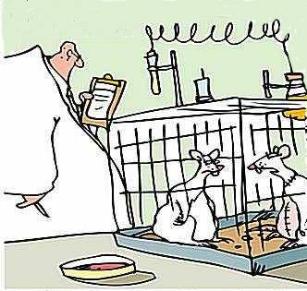
Shaw distrusted doctors who experimented on animals in a hopeless
attempt to find a cure for human ailments.
He thought that anyone who would violate human decency by
mistreating sentient animals could not be relied upon for trustworthy
advice. Shaw states:
“You do not settle whether an experiment is justified or not by merely
showing that it is of some use.
The distinction is not between useful and useless experiments, but
between barbarous and civilized behaviour.
Vivisection is a social evil because if it advances human knowledge, it
does so at the expense of human character” Shaw
attempt to find a cure for human ailments.
He thought that anyone who would violate human decency by
mistreating sentient animals could not be relied upon for trustworthy
advice. Shaw states:
“You do not settle whether an experiment is justified or not by merely
showing that it is of some use.
The distinction is not between useful and useless experiments, but
between barbarous and civilized behaviour.
Vivisection is a social evil because if it advances human knowledge, it
does so at the expense of human character” Shaw
Shaw believed that using drugs to fight disease was an inhumane
fraud.
Shaw could not comprehend the logic of the drug culture, especially
their war on germs.
He was repulsed by the notion that medical doctors are unnecessarily
injecting horrifying ingredients into small fragile children.
He was quite convinced that the basic motive for inoculating infants is
to earn extra money for those promoting vaccines.
fraud.
Shaw could not comprehend the logic of the drug culture, especially
their war on germs.
He was repulsed by the notion that medical doctors are unnecessarily
injecting horrifying ingredients into small fragile children.
He was quite convinced that the basic motive for inoculating infants is
to earn extra money for those promoting vaccines.

Shaw dramatically states:
“Vaccination is nothing short of attempted murder.
A skilled bacteriologist would just as soon think of cutting his child's
arm and rubbing the contents of the dustpan into the wound, as
vaccinating it.
Might as well consult a butcher on the value of vegetarianism as a
doctor on the worth of vaccination.” Shaw
Tilden was a former medical doctor and fully agrees with Shaw
regarding the uselessness and danger of vaccines. Tilden says:
“Wouldn't it be incongruous if in the evolution of man such an
important element as auto-immunization should be left out. No animal
has been forgotten in the great scheme of creation.
Powers of offense and defense have been wisely provided, and to
suppose that the king of all animals, man, should be left defenseless is
most absurd.,
Vaccines are poisons, even if they are pure, regardless of the protests
that they are innocent and harmless.” Tilden
Shelton adds:
“Vaccines and serums are employed as substitutes for right living;
they are intended to supplant obedience to the law of life.
Such programs are slaps in the face of law and order. Belief in
immunization is a form of delusional insanity.
Obliterate these false doctrines of cure and immunization from medical
schools, teach the people the simple truth in relation to the nature of
disease.” Shelton
“Vaccination is nothing short of attempted murder.
A skilled bacteriologist would just as soon think of cutting his child's
arm and rubbing the contents of the dustpan into the wound, as
vaccinating it.
Might as well consult a butcher on the value of vegetarianism as a
doctor on the worth of vaccination.” Shaw
Tilden was a former medical doctor and fully agrees with Shaw
regarding the uselessness and danger of vaccines. Tilden says:
“Wouldn't it be incongruous if in the evolution of man such an
important element as auto-immunization should be left out. No animal
has been forgotten in the great scheme of creation.
Powers of offense and defense have been wisely provided, and to
suppose that the king of all animals, man, should be left defenseless is
most absurd.,
Vaccines are poisons, even if they are pure, regardless of the protests
that they are innocent and harmless.” Tilden
Shelton adds:
“Vaccines and serums are employed as substitutes for right living;
they are intended to supplant obedience to the law of life.
Such programs are slaps in the face of law and order. Belief in
immunization is a form of delusional insanity.
Obliterate these false doctrines of cure and immunization from medical
schools, teach the people the simple truth in relation to the nature of
disease.” Shelton
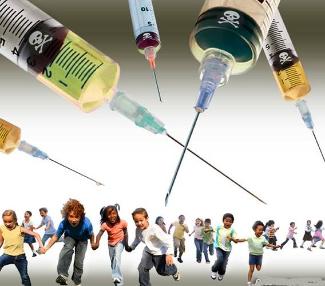
Noted biologist Alfred Russell Wallace found it difficult to understand
how anyone could believe in the credibility of injecting a child with
oozing pus from a diseased animal in order to create immunity to a
specific disease?
how anyone could believe in the credibility of injecting a child with
oozing pus from a diseased animal in order to create immunity to a
specific disease?

| Alfred Russell Wallace 1823-1913 |
Wallace discovered the theory of evolution while exploring South
America just months before Darwin published his scientific
masterpiece, Origin of Species.
He thoroughly understood how biological life functioned but he was
unable to accept the vaccination hypothesis put forth by the medical
profession.
Wallace felt this invasive procedure made no sense and could never
safeguard against illness.
In fact Wallace believed that vaccinations contributed to illness
because they were so poisonous.
Many deaths were occurring from mandatory smallpox vaccinations,
killing weak malnourished individuals whose body could not
withstand the highly toxic serum.
Wallace believed that these inoculations were wreaking deadly havoc
on the unhealthy segments of the population.
The medical profession was attributing the sudden deaths after
inoculation to the victim not being vaccinated early enough.
They never blamed the injected poison for the abrupt death of the
immunized individual.
Wallace declares:
“Vaccination is a gigantic delusion, it has never saved a single life; but
that it has been the cause of so much disease, so many deaths, such a
vast amount of utterly needless and altogether undeserved suffering,
that it will be classed by the coming generation among the greatest
errors of an ignorant and prejudiced age.” Wallace.
Tilden was just as outraged by what he thought was a hoax being
perpetrated on the people through fear propaganda.
America just months before Darwin published his scientific
masterpiece, Origin of Species.
He thoroughly understood how biological life functioned but he was
unable to accept the vaccination hypothesis put forth by the medical
profession.
Wallace felt this invasive procedure made no sense and could never
safeguard against illness.
In fact Wallace believed that vaccinations contributed to illness
because they were so poisonous.
Many deaths were occurring from mandatory smallpox vaccinations,
killing weak malnourished individuals whose body could not
withstand the highly toxic serum.
Wallace believed that these inoculations were wreaking deadly havoc
on the unhealthy segments of the population.
The medical profession was attributing the sudden deaths after
inoculation to the victim not being vaccinated early enough.
They never blamed the injected poison for the abrupt death of the
immunized individual.
Wallace declares:
“Vaccination is a gigantic delusion, it has never saved a single life; but
that it has been the cause of so much disease, so many deaths, such a
vast amount of utterly needless and altogether undeserved suffering,
that it will be classed by the coming generation among the greatest
errors of an ignorant and prejudiced age.” Wallace.
Tilden was just as outraged by what he thought was a hoax being
perpetrated on the people through fear propaganda.
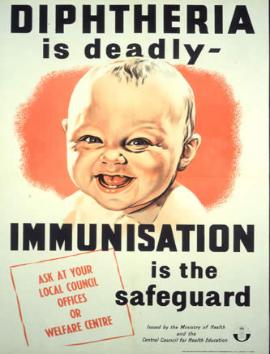
Dr. Tilden expressed his displeasure with the medical profession for
falsely advertising that vaccinations would protect babies from an
imaginary epidemic. He said:
“Instead of attempting to immunize against disease by the injection
into the body of a poison, a poison made from the filth of animal
disease-would it not be better to immunize by establishing proper
living habits to build up a natural resistance to disease?
A healthy body will not develop any disease.
My stand against vaccination for the prevention of disease is based on
the conviction that the treatment is in opposition to law, common-
sense, and reason.” Tilden
Tilden is bewildered that physicians would actually inject a
contaminated substance into either a healthy or sick body. He says:
“The human family is led by its own ignorance, or the superstition of
its medical advisers for cures or prevention, in spite of the fact that
purification is preached by all nature.
If children were fed right, there would be no excuse for so-called
vaccine prevention, which per se is an infection; for it is made from
putrescence-products of disease.” Tilden
falsely advertising that vaccinations would protect babies from an
imaginary epidemic. He said:
“Instead of attempting to immunize against disease by the injection
into the body of a poison, a poison made from the filth of animal
disease-would it not be better to immunize by establishing proper
living habits to build up a natural resistance to disease?
A healthy body will not develop any disease.
My stand against vaccination for the prevention of disease is based on
the conviction that the treatment is in opposition to law, common-
sense, and reason.” Tilden
Tilden is bewildered that physicians would actually inject a
contaminated substance into either a healthy or sick body. He says:
“The human family is led by its own ignorance, or the superstition of
its medical advisers for cures or prevention, in spite of the fact that
purification is preached by all nature.
If children were fed right, there would be no excuse for so-called
vaccine prevention, which per se is an infection; for it is made from
putrescence-products of disease.” Tilden
Shelton agrees that vaccinations are ineffectual and dangerous and
thinks the profit motive is what perpetuates this disastrous
treatment. He states:
“Parents are frightened into having their babies and children
immunized against a whole series of diseases, having them
inoculated with vaccines, serums, and anti-toxins of all kinds.
The constant stream of propaganda carried on by the pharmaceutical
houses and commercial medicine to keep this profitable business
alive is filled with manufactured and doctored statistics, lies,
distortions and statements designed to frighten parents.
The whole purpose of this propaganda is not to secure the health and
welfare of children, but to guarantee the steady inflow of profits to the
physicians and manufacturing drug houses.” Shelton
The subject of vaccinations is highly controversial and obviously
natural hygienic doctors strongly dispute its validity.
As we sum up the history of the hygienic movement we see that in
the 19th century vaccines were in the early stages of development
and very ineffectual.
Today in the 21st century immunizing to prevent disease is the most
fashionable procedure the medical profession has to offer.
The drug companies are moving inexorably toward developing a
vaccine for every affliction imaginable.
thinks the profit motive is what perpetuates this disastrous
treatment. He states:
“Parents are frightened into having their babies and children
immunized against a whole series of diseases, having them
inoculated with vaccines, serums, and anti-toxins of all kinds.
The constant stream of propaganda carried on by the pharmaceutical
houses and commercial medicine to keep this profitable business
alive is filled with manufactured and doctored statistics, lies,
distortions and statements designed to frighten parents.
The whole purpose of this propaganda is not to secure the health and
welfare of children, but to guarantee the steady inflow of profits to the
physicians and manufacturing drug houses.” Shelton
The subject of vaccinations is highly controversial and obviously
natural hygienic doctors strongly dispute its validity.
As we sum up the history of the hygienic movement we see that in
the 19th century vaccines were in the early stages of development
and very ineffectual.
Today in the 21st century immunizing to prevent disease is the most
fashionable procedure the medical profession has to offer.
The drug companies are moving inexorably toward developing a
vaccine for every affliction imaginable.
In essence what they are doing is labeling normal detoxifying
symptoms from stress or overindulgence as disease.
Medical doctors attribute fever or discomfort from the cleansing
process, to a germ.
As we advance through the 21st century the medical profession has
wholeheartedly adopted the vaccination theory.
It has become their dominant weapon of treatment for their war on the
human body to destroy disease.
Therefore the subject of; to vaccinate or not to vaccinate, definitely
requires additional exploration.
Glancing back at the history and foundation of the incredible hygienic
movement we get an overall image of the enormous impact these
pioneers have wrought with their life saving discovery for the cause
and cure of disease.
They taught us that those who understand the nutritional
requirements of the human anatomy and are willing to trust their body
to heal itself when sick, never need to fear the horrible dread of a
fictitious germ related disease.
People are dying all over the world from mal-nourishment and from
over-nourishment and not from germ epidemics.
Inevitably distressed people are mistakenly diagnosed as having
contracted a disease through a deadly microscopic organism.
Proper rest, clean water and fresh fruits and veggies will help these
people recover from any so-called disease.
Medical doctors are administering poisonous inoculations without
regard to stress and nutritional factors.
Those already in the advanced stages of detoxification can only heal if
they fast, stay calm and rest with just water to drink followed by a
nutritious uncooked vegetarian diet when the fever passes.
symptoms from stress or overindulgence as disease.
Medical doctors attribute fever or discomfort from the cleansing
process, to a germ.
As we advance through the 21st century the medical profession has
wholeheartedly adopted the vaccination theory.
It has become their dominant weapon of treatment for their war on the
human body to destroy disease.
Therefore the subject of; to vaccinate or not to vaccinate, definitely
requires additional exploration.
Glancing back at the history and foundation of the incredible hygienic
movement we get an overall image of the enormous impact these
pioneers have wrought with their life saving discovery for the cause
and cure of disease.
They taught us that those who understand the nutritional
requirements of the human anatomy and are willing to trust their body
to heal itself when sick, never need to fear the horrible dread of a
fictitious germ related disease.
People are dying all over the world from mal-nourishment and from
over-nourishment and not from germ epidemics.
Inevitably distressed people are mistakenly diagnosed as having
contracted a disease through a deadly microscopic organism.
Proper rest, clean water and fresh fruits and veggies will help these
people recover from any so-called disease.
Medical doctors are administering poisonous inoculations without
regard to stress and nutritional factors.
Those already in the advanced stages of detoxification can only heal if
they fast, stay calm and rest with just water to drink followed by a
nutritious uncooked vegetarian diet when the fever passes.

This is the only medicine a person ever needs and the only procedure
that always works without fail.
Those attuned to what these early doctors were saying about natural
healthcare fully realize that this great discovery was a monumental gift to
humanity.
Of course there are exceptions to every rule.
A person consuming meat eggs and dairy products can live to a ripe old
age and never experience any health problems.
My grandfather ate meat almost everyday of his life and he lived to the
same advanced age as the vegetarian George Bernard Shaw, 94.
My grandfather always kept busy and was very healthy until he reached
90 and then he started to need assistance.
However, we are not discussing exceptions to the rule or settling for a
partially incapacitated body but rather we want to achieve optimum
health throughout an extended life.
As the pioneers have shown us the human body is basically designed to
subsist on fruits and vegetables.
that always works without fail.
Those attuned to what these early doctors were saying about natural
healthcare fully realize that this great discovery was a monumental gift to
humanity.
Of course there are exceptions to every rule.
A person consuming meat eggs and dairy products can live to a ripe old
age and never experience any health problems.
My grandfather ate meat almost everyday of his life and he lived to the
same advanced age as the vegetarian George Bernard Shaw, 94.
My grandfather always kept busy and was very healthy until he reached
90 and then he started to need assistance.
However, we are not discussing exceptions to the rule or settling for a
partially incapacitated body but rather we want to achieve optimum
health throughout an extended life.
As the pioneers have shown us the human body is basically designed to
subsist on fruits and vegetables.

Humans do not possess the digestive system of a carnivorous or
omnivorous animal so meat and dairy products are difficult to
assimilate and they create an acidic imbalance.
All life is dependent upon the plant kingdom for sustenance; the
carnivorous lion relies upon the vegetarian antelope for its survival.
The vitamins and minerals in the soil that feed and fuel all life are
acquired and absorbed through the plant kingdom.
Animals subsisting exclusively from vegetation are getting their
proteins first hand.
Carnivorous animals that kill and eat a vegetarian animal are getting
their proteins second-hand.
Nature simply did not provide the human body with the ability to easily
digest animal products.
Some scientists claim that the human body has evolved into an
omnivorous animal, however an examination of our anatomy does not
substantiate this point of view. Shelton says:
“Those supporting the idea of human evolution from frugivore to
omnivore conveniently do not mention the fact that neither the
necessary sharp teeth, claws, digestive biochemistry, fleetness of foot,
nor animal-killing instincts have co-evolved with the alleged evolution
to omnivore.
The human simply has not evolved to successfully consume animal
flesh or other animal products.” Shelton
In his book, The Comparative Anatomy of Eating,
Dr. Milton R. Mills, M.D., says:
“Humans do not show the mixed structural features one expects and
finds in anatomical omnivores such as bears and raccoons.
Thus, from comparing the gastrointestinal tract of humans to that of
carnivores, herbivores and omnivores we must conclude that
humankind's GI tract is designed for a purely plant-food diet.” Mills
When the human body becomes sick from being overloaded with
acidic toxins, meat eggs and dairy products are the first suspects in
the cause of illness. Tilden states:
“The real disease is in faulty nutrition, and is of daily development.
Intestinal intoxication, from bacterial fermentation due to overeating,
improper eating, and eating potentially acid foods, and foods devoid of
enzyme, is a constant source of toxin poisoning.
Without impaired nutrition diseases, acute or chronic, cannot
develop.” Tilden
Humans are certainly capable of eating meat but as Graham and
others have shown, this does not mean that animal proteins are
suitable for our particular anatomy.
Nature has made fruits and vegetables colorful and appealing to our
appetite.
They enliven our taste buds, are extremely nutritious and quite easy
for the human body to digest.
This type of food assimilates perfectly with our anatomy and its
biological requirements for optimal maintenance.
omnivorous animal so meat and dairy products are difficult to
assimilate and they create an acidic imbalance.
All life is dependent upon the plant kingdom for sustenance; the
carnivorous lion relies upon the vegetarian antelope for its survival.
The vitamins and minerals in the soil that feed and fuel all life are
acquired and absorbed through the plant kingdom.
Animals subsisting exclusively from vegetation are getting their
proteins first hand.
Carnivorous animals that kill and eat a vegetarian animal are getting
their proteins second-hand.
Nature simply did not provide the human body with the ability to easily
digest animal products.
Some scientists claim that the human body has evolved into an
omnivorous animal, however an examination of our anatomy does not
substantiate this point of view. Shelton says:
“Those supporting the idea of human evolution from frugivore to
omnivore conveniently do not mention the fact that neither the
necessary sharp teeth, claws, digestive biochemistry, fleetness of foot,
nor animal-killing instincts have co-evolved with the alleged evolution
to omnivore.
The human simply has not evolved to successfully consume animal
flesh or other animal products.” Shelton
In his book, The Comparative Anatomy of Eating,
Dr. Milton R. Mills, M.D., says:
“Humans do not show the mixed structural features one expects and
finds in anatomical omnivores such as bears and raccoons.
Thus, from comparing the gastrointestinal tract of humans to that of
carnivores, herbivores and omnivores we must conclude that
humankind's GI tract is designed for a purely plant-food diet.” Mills
When the human body becomes sick from being overloaded with
acidic toxins, meat eggs and dairy products are the first suspects in
the cause of illness. Tilden states:
“The real disease is in faulty nutrition, and is of daily development.
Intestinal intoxication, from bacterial fermentation due to overeating,
improper eating, and eating potentially acid foods, and foods devoid of
enzyme, is a constant source of toxin poisoning.
Without impaired nutrition diseases, acute or chronic, cannot
develop.” Tilden
Humans are certainly capable of eating meat but as Graham and
others have shown, this does not mean that animal proteins are
suitable for our particular anatomy.
Nature has made fruits and vegetables colorful and appealing to our
appetite.
They enliven our taste buds, are extremely nutritious and quite easy
for the human body to digest.
This type of food assimilates perfectly with our anatomy and its
biological requirements for optimal maintenance.

Fresh fruits are tasty and alkaline they give us purified water and the
vital nutrients humans require.
Meat, dairy, eggs and white flour products do not absorb well with
the human body, they create an acidic condition, which in turn
causes detoxifying symptoms that medical doctors confuse as a
germ attack. Shelton states:
“Every food eaten leaves behind it an ash after it has been used by
the body. The ash is either acid or alkaline.
Eating too much acid-ash food results in storing acid-ash in the cells
and depleting the body of its alkaline reserve.
Acid-Ash foods are all meats, eggs, cheese, milk, and cereal
products.” Shelton
We close out this article feeling a great deal of admiration, gratitude
and indebtedness toward the historic natural hygienic doctors.
Their ingenuity and creative thinking gave the world the logical and
scientific answers to puzzling questions about disease and
healthcare that have baffled mankind for centuries.
Shelton was content in his knowledge that the hygienic philosophy
that he learned from these pioneers was the correct and only
approach to healthcare.
He could smile cheerfully knowing that despite the constant
harassment against him by the pharmaceutical industry Natural
Hygienists would one day be totally vindicated.
vital nutrients humans require.
Meat, dairy, eggs and white flour products do not absorb well with
the human body, they create an acidic condition, which in turn
causes detoxifying symptoms that medical doctors confuse as a
germ attack. Shelton states:
“Every food eaten leaves behind it an ash after it has been used by
the body. The ash is either acid or alkaline.
Eating too much acid-ash food results in storing acid-ash in the cells
and depleting the body of its alkaline reserve.
Acid-Ash foods are all meats, eggs, cheese, milk, and cereal
products.” Shelton
We close out this article feeling a great deal of admiration, gratitude
and indebtedness toward the historic natural hygienic doctors.
Their ingenuity and creative thinking gave the world the logical and
scientific answers to puzzling questions about disease and
healthcare that have baffled mankind for centuries.
Shelton was content in his knowledge that the hygienic philosophy
that he learned from these pioneers was the correct and only
approach to healthcare.
He could smile cheerfully knowing that despite the constant
harassment against him by the pharmaceutical industry Natural
Hygienists would one day be totally vindicated.
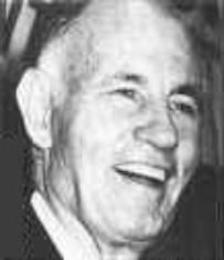
Shelton was able to prove the authenticity of the natural healthcare
approach by the consistent successful results he was having with
thousands of patients at his clinic.
Dr. Shelton was exuberant with life, he thoroughly enjoyed helping
people and was very comfortable with the correctness of his treatment.
Most of all Shelton was delighted with simply helping ailing patients.
He also derived great pleasure from spending quality time outdoors
for physical fitness and to recharge his emotional battery.
Shelton was constantly dealing with sick suffering patients
nevertheless he was still able to see the beauty around us and wax
poetically on the magnificence of life.
approach by the consistent successful results he was having with
thousands of patients at his clinic.
Dr. Shelton was exuberant with life, he thoroughly enjoyed helping
people and was very comfortable with the correctness of his treatment.
Most of all Shelton was delighted with simply helping ailing patients.
He also derived great pleasure from spending quality time outdoors
for physical fitness and to recharge his emotional battery.
Shelton was constantly dealing with sick suffering patients
nevertheless he was still able to see the beauty around us and wax
poetically on the magnificence of life.

Shelton reflects:
“If we go out in nature, where real wealth and luxury reside, we see
the sparkling jewels of earth and sea.
Brightly colored birds from every clime pour forth their sweet notes in
grand concert; flowers are there-bright flowers of every hue,
indigenous and exotic-while bright sunlight tinges all with its celestial
beauty.
Life, liberty, happiness, angels of love, dwell in these sylvan bowers.”
Shelton
“If we go out in nature, where real wealth and luxury reside, we see
the sparkling jewels of earth and sea.
Brightly colored birds from every clime pour forth their sweet notes in
grand concert; flowers are there-bright flowers of every hue,
indigenous and exotic-while bright sunlight tinges all with its celestial
beauty.
Life, liberty, happiness, angels of love, dwell in these sylvan bowers.”
Shelton

On that positive note we close out the vital history and philosophy of
the pioneers of natural hygienics and their incredible discovery
regarding the cause and cure for all disease.
Mario Bello
the pioneers of natural hygienics and their incredible discovery
regarding the cause and cure for all disease.
Mario Bello