 | |  | |  | |  | |  | |  |


| | | | | | | | | | |






















Once Dr. Trall’s patients experienced positive results from eating nutritious
food they became convinced of the authenticity of his treatment.
Now that they understood this important lesson, fasting when ill followed by
fresh wholesome nutrition, they were able to moderately violate the laws of
nature and recognize that cleansing symptoms are not caused by an
invading germ but rather by overindulgence in something disagreeable with
the body.
When the body revolted from abuse the patient simply had to stop the
nutritional or stimulus overload, rest and drink only water until healed.
No need to ever resort to unpredictable drugs for relief. And no need to
inject poison into the body that will only indiscriminately hunt down and kill
helpful germs that are required in the body's cleansing process.
Trall was not alone in trying to fight against the poisoning of Americans.
He had many allies and outspoken advocates in the hygienic movement
during that period but one of the more prominent figures was Sylvester
Graham also from Connecticut and born in 1794.
food they became convinced of the authenticity of his treatment.
Now that they understood this important lesson, fasting when ill followed by
fresh wholesome nutrition, they were able to moderately violate the laws of
nature and recognize that cleansing symptoms are not caused by an
invading germ but rather by overindulgence in something disagreeable with
the body.
When the body revolted from abuse the patient simply had to stop the
nutritional or stimulus overload, rest and drink only water until healed.
No need to ever resort to unpredictable drugs for relief. And no need to
inject poison into the body that will only indiscriminately hunt down and kill
helpful germs that are required in the body's cleansing process.
Trall was not alone in trying to fight against the poisoning of Americans.
He had many allies and outspoken advocates in the hygienic movement
during that period but one of the more prominent figures was Sylvester
Graham also from Connecticut and born in 1794.
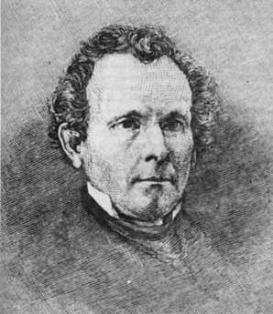
| Sylvester Graham 1794 - 1851 |
Sylvester Graham, was an ordained Presbyterian minister and an
uncompromising religious reformer.
He was anti tobacco and anti alcohol, which fit right in with the natural
hygienic philosophy.
He was the inventor of the Graham cracker, which was made from unsifted
whole grain flour without any chemicals like chlorine, which is added to
bleach the flour white.
Graham was a frail child and spent most of his life looking for ways to
strengthen and improve his health.
Neither Graham nor Trall lived to a ripe old age despite being advocates of
the hygienic philosophy.
Shelton points out that their early demise does not discredit the integrity or
science of natural hygiene.
Shelton says:
“Graham was born a weakling.
He was ailing all of his childhood and up to maturity.
More than once his life was despaired of. It was not expected that he would
live to maturity.
Sylvester Graham died in 1851 at the age of 55. He had promised longer life
by adhering to a Hygienic way of life.
His early death is still referred to by the enemies of living reform as
evidence that there was something radically wrong with the mode of living
he advocated.
Dr. Trall's death at the age of 66 caused much criticism of him and the plan
of living he advocated.
His discussions of longevity had promised a much longer life to those who
lived a rational Hygienic life.
Trall was also sick most of his young life.
Indeed, it was the failure of his many physicians to restore him to health
that caused him to decide to study medicine.
He undertook the study in the hope that he could find a way to restore his
own health.
What kind of a body did they inherit?
And what was his state of health prior to his adopting a program of health
restoration?
Trall and Graham had both been heroically drugged in their early lives.”
Shelton
Trall did not fault the true science of the hygienic treatment for not being
able to restore the health of some patients, including himself.
If critical organs in his body or that of his patients, were damaged by
medication to the point where they could no longer be resuscitated, well
that too was true to the laws of nature.
Shelton said:
“No man ever has a perfectly sound constitution after a period of drugging
and he cannot again be made whole.
He is doomed to bear his shattered organism for the rest of his life.”
Shelton
William Osler, M.D., Physician-in-Chief, John Hopkins Hospital, 1889, said:
“What nature cannot cure must remain uncured." Osler
Most of Trall’s patients came to him quite sick as a last resort after the drug
treatments prescribed by the medical profession failed to restore their
health.
Trall commented on the general condition of the majority of his patients:
"What do we usually find?
It is all too true that we start with sick men and women.” Trall
Shelton adds:
“Few who enjoy ordinary health ever break away from the conventional
ways of life.
We tend to go along with the crowd until circumstances force us to do
otherwise.
How strict did the patient have to become in order to bring back lost
energies?
It is all too true that many of those who advocate simple and abstemious
living for others are inclined to indulge themselves almost without limit.
Many natural hygienist practitioners, smoked heavily, used coffee and
drank alcohol.
Their advice to others was far better than their own example. This is often
true.
Many of them like the hypocritical preacher could well have said, don't do as
I do, do as I say." Shelton
In other words examine the student who assiduously follows the
instructions of his teacher instead of examining the teacher who violates
his own rules.
Graham preached abstinence from unhealthy substances for moral and
religious purposes as well as for health reasons.
He became a strong healthcare advocate for a vegetarian diet and a
vociferous opponent of meat products and bread made from white flour.
In Boston however, he had difficulty finding a hall to lecture in because
butchers and commercial bakers threatened to riot.
His bombastic holier than thou sermons created quite a following
throughout the country; a large number of people wholeheartedly adopted
his vegetarian recommendations with pleasant results and referred to
themselves as Grahamites.
uncompromising religious reformer.
He was anti tobacco and anti alcohol, which fit right in with the natural
hygienic philosophy.
He was the inventor of the Graham cracker, which was made from unsifted
whole grain flour without any chemicals like chlorine, which is added to
bleach the flour white.
Graham was a frail child and spent most of his life looking for ways to
strengthen and improve his health.
Neither Graham nor Trall lived to a ripe old age despite being advocates of
the hygienic philosophy.
Shelton points out that their early demise does not discredit the integrity or
science of natural hygiene.
Shelton says:
“Graham was born a weakling.
He was ailing all of his childhood and up to maturity.
More than once his life was despaired of. It was not expected that he would
live to maturity.
Sylvester Graham died in 1851 at the age of 55. He had promised longer life
by adhering to a Hygienic way of life.
His early death is still referred to by the enemies of living reform as
evidence that there was something radically wrong with the mode of living
he advocated.
Dr. Trall's death at the age of 66 caused much criticism of him and the plan
of living he advocated.
His discussions of longevity had promised a much longer life to those who
lived a rational Hygienic life.
Trall was also sick most of his young life.
Indeed, it was the failure of his many physicians to restore him to health
that caused him to decide to study medicine.
He undertook the study in the hope that he could find a way to restore his
own health.
What kind of a body did they inherit?
And what was his state of health prior to his adopting a program of health
restoration?
Trall and Graham had both been heroically drugged in their early lives.”
Shelton
Trall did not fault the true science of the hygienic treatment for not being
able to restore the health of some patients, including himself.
If critical organs in his body or that of his patients, were damaged by
medication to the point where they could no longer be resuscitated, well
that too was true to the laws of nature.
Shelton said:
“No man ever has a perfectly sound constitution after a period of drugging
and he cannot again be made whole.
He is doomed to bear his shattered organism for the rest of his life.”
Shelton
William Osler, M.D., Physician-in-Chief, John Hopkins Hospital, 1889, said:
“What nature cannot cure must remain uncured." Osler
Most of Trall’s patients came to him quite sick as a last resort after the drug
treatments prescribed by the medical profession failed to restore their
health.
Trall commented on the general condition of the majority of his patients:
"What do we usually find?
It is all too true that we start with sick men and women.” Trall
Shelton adds:
“Few who enjoy ordinary health ever break away from the conventional
ways of life.
We tend to go along with the crowd until circumstances force us to do
otherwise.
How strict did the patient have to become in order to bring back lost
energies?
It is all too true that many of those who advocate simple and abstemious
living for others are inclined to indulge themselves almost without limit.
Many natural hygienist practitioners, smoked heavily, used coffee and
drank alcohol.
Their advice to others was far better than their own example. This is often
true.
Many of them like the hypocritical preacher could well have said, don't do as
I do, do as I say." Shelton
In other words examine the student who assiduously follows the
instructions of his teacher instead of examining the teacher who violates
his own rules.
Graham preached abstinence from unhealthy substances for moral and
religious purposes as well as for health reasons.
He became a strong healthcare advocate for a vegetarian diet and a
vociferous opponent of meat products and bread made from white flour.
In Boston however, he had difficulty finding a hall to lecture in because
butchers and commercial bakers threatened to riot.
His bombastic holier than thou sermons created quite a following
throughout the country; a large number of people wholeheartedly adopted
his vegetarian recommendations with pleasant results and referred to
themselves as Grahamites.
Graham was also part of the Temperance movement and included in his
lectures sexual restraint and blessings to God for systematically leading
him to Natural Hygiene, which was improving his health.
Graham wrote in his book Science of Life:
“I had no sudden revelations of Nature's great truths;
I made no sudden changes in my diet and general regimen; but as I
received instructions I advanced, laying aside a little here and a little there,
till, by virtue of unremitting and untiring perseverance in research and
investigation, and careful experiment and observation, I was at last
permitted to step upon the broad threshold of that great system of
physiological and psychological truth, which as a humble instrument in
the hands of Divine Providence, I am now suffered to promulgate to the
human world." Graham
Shelton was a great admirer of Graham’s well-documented and
persuasive books but jokingly took exception to the Reverend giving all
the credit for natural solutions for ill health to divine providence while
ignoring the hard work of Jennings and Trall.
lectures sexual restraint and blessings to God for systematically leading
him to Natural Hygiene, which was improving his health.
Graham wrote in his book Science of Life:
“I had no sudden revelations of Nature's great truths;
I made no sudden changes in my diet and general regimen; but as I
received instructions I advanced, laying aside a little here and a little there,
till, by virtue of unremitting and untiring perseverance in research and
investigation, and careful experiment and observation, I was at last
permitted to step upon the broad threshold of that great system of
physiological and psychological truth, which as a humble instrument in
the hands of Divine Providence, I am now suffered to promulgate to the
human world." Graham
Shelton was a great admirer of Graham’s well-documented and
persuasive books but jokingly took exception to the Reverend giving all
the credit for natural solutions for ill health to divine providence while
ignoring the hard work of Jennings and Trall.
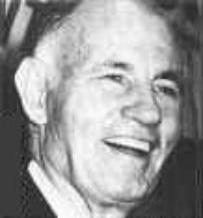
| Herbert M. Shelton |
Shelton says the following about Grahams remarks and offers his vision
of what hygiene means:
“Not by divine revelation, as so many have claimed for their discoveries,
but by a close and careful study of nature did all these men come to their
knowledge.
Hygiene represents a return to that pristine mode of living that emerged
with man when he first appeared on the earth; it is a revival of something
precious that had been all but lost during the course of ages, thanks to
the corrupting and perverting influences of shaman, priest, physician and
trader.” Shelton
of what hygiene means:
“Not by divine revelation, as so many have claimed for their discoveries,
but by a close and careful study of nature did all these men come to their
knowledge.
Hygiene represents a return to that pristine mode of living that emerged
with man when he first appeared on the earth; it is a revival of something
precious that had been all but lost during the course of ages, thanks to
the corrupting and perverting influences of shaman, priest, physician and
trader.” Shelton
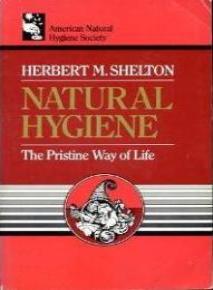
| The Pristine Way of Life By: Herbert M. Shelton |
Shelton speaks flatteringly of Graham whose research and writing he
highly respected.
Shelton said of Graham:
“In his masterly and celebrated work, the Science of Life, Graham has
given the world more truth concerning the primary and fundamental laws
in the field of Physiology and Hygiene, than any other author ever did-
than all other authors ever have.
Though his writings are in poor repute with the medical profession, and
his vegetarian doctrines are condemned by the great majority of medical
men of the present day, no one has ever undertaken to controvert his
arguments, and probably never will.” Shelton
Through careful anatomical comparisons, Graham ascertained that the
human digestive system is almost identical to that of our closest
relatives in the wild, the frugivorous primates.
He clarifies a common misconception regarding the human anatomy.
Graham explains that simply because humans are capable of eating like
Omnivores does not mean they are anatomically suited for this type of
diet.
highly respected.
Shelton said of Graham:
“In his masterly and celebrated work, the Science of Life, Graham has
given the world more truth concerning the primary and fundamental laws
in the field of Physiology and Hygiene, than any other author ever did-
than all other authors ever have.
Though his writings are in poor repute with the medical profession, and
his vegetarian doctrines are condemned by the great majority of medical
men of the present day, no one has ever undertaken to controvert his
arguments, and probably never will.” Shelton
Through careful anatomical comparisons, Graham ascertained that the
human digestive system is almost identical to that of our closest
relatives in the wild, the frugivorous primates.
He clarifies a common misconception regarding the human anatomy.
Graham explains that simply because humans are capable of eating like
Omnivores does not mean they are anatomically suited for this type of
diet.

Graham contends that modern civilization has greatly perverted the
vegetarian diet, which humans are by nature anatomically equipped to
subsist on for an active healthy long life.
He offers the Orangutan, a frugivorous primate with a similar digestive
system to that of humans, as an example of how a strict vegetarian animal
can be taught to eat like a carnivore.
vegetarian diet, which humans are by nature anatomically equipped to
subsist on for an active healthy long life.
He offers the Orangutan, a frugivorous primate with a similar digestive
system to that of humans, as an example of how a strict vegetarian animal
can be taught to eat like a carnivore.


From his book the Science Of Life, Graham says:
“The, Orangutan on being domesticated, readily learns to eat animal food.
But if this proves that the Orangutan is naturally omnivorous, then the
Horse, Cow, Sheep, and others are omnivorous, for every one of them is
easily trained to eat animal food.
Horses have frequently been trained to eat animal food and sheep have
been so accustomed to it as to refuse grass.
All carnivorous animals can be trained to a vegetable diet, and brought to
subsist upon it, with less inconvenience and deterioration than
herbivorous or frugivorous animals can be brought to live on animal food.
Comparative anatomy, therefore proves that man is naturally a
frugivorous animal, formed to subsist upon fruits and vegetables.”
Graham
“The, Orangutan on being domesticated, readily learns to eat animal food.
But if this proves that the Orangutan is naturally omnivorous, then the
Horse, Cow, Sheep, and others are omnivorous, for every one of them is
easily trained to eat animal food.
Horses have frequently been trained to eat animal food and sheep have
been so accustomed to it as to refuse grass.
All carnivorous animals can be trained to a vegetable diet, and brought to
subsist upon it, with less inconvenience and deterioration than
herbivorous or frugivorous animals can be brought to live on animal food.
Comparative anatomy, therefore proves that man is naturally a
frugivorous animal, formed to subsist upon fruits and vegetables.”
Graham


While Graham was predominantly sermonizing about the unhealthiness
of eating meat and the unscientific false gospel of the medical profession,
Trall was simultaneously in a heated publicity war with the loyal followers
of drug therapists.
of eating meat and the unscientific false gospel of the medical profession,
Trall was simultaneously in a heated publicity war with the loyal followers
of drug therapists.
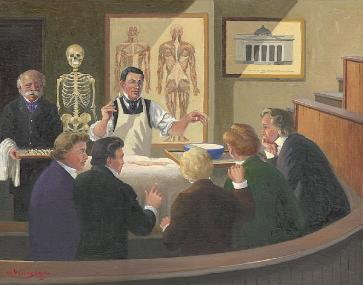
Trall publicly decries the flawed teachings of the profession that made
him a doctor. He says:
"All history attests to the fact, that wherever the Drug Medical System
prevails, desolation marks its track, human health declines, vital stamina
diminishes, diseases become more numerous, more complicated, and
more fatal, and the human race deteriorates.
On the contrary, wherever the Hygienic Healing System is adopted-and
there is no exception-renovation denotes its progress, and humanity
improves in all the relations of its existence. " Trall
Then as now the small struggling to be heard Hygienic movement was
up against a well-entrenched Goliath of a pharmaceutical industry and an
entire education system designed to support their philosophy.
It was quite difficult to get a public debate on the subject of drugs,
medication and disease when so much money and so many jobs were at
stake.
Shelton comments on the futility of trying to convert people to the natural
healthcare philosophy who earn a living from the prescription drug
business.
He says:
“There are thousands of wholesale and retail drug companies, employing
an army of pharmacists; there is a great army of nurses, technicians and
others who depend on the drug trade for their livelihood.
In addition to all these, there are the manufacturers of bottles, pillboxes,
cartons and plastics, and there are the newspapers, magazines, radio and
television, that derive millions out of the advertising of these products.
The profession becomes, therefore, an interested witness, a partial judge
and a prejudiced jury.
Our message is for the people who have no stake in medicine.” Shelton
him a doctor. He says:
"All history attests to the fact, that wherever the Drug Medical System
prevails, desolation marks its track, human health declines, vital stamina
diminishes, diseases become more numerous, more complicated, and
more fatal, and the human race deteriorates.
On the contrary, wherever the Hygienic Healing System is adopted-and
there is no exception-renovation denotes its progress, and humanity
improves in all the relations of its existence. " Trall
Then as now the small struggling to be heard Hygienic movement was
up against a well-entrenched Goliath of a pharmaceutical industry and an
entire education system designed to support their philosophy.
It was quite difficult to get a public debate on the subject of drugs,
medication and disease when so much money and so many jobs were at
stake.
Shelton comments on the futility of trying to convert people to the natural
healthcare philosophy who earn a living from the prescription drug
business.
He says:
“There are thousands of wholesale and retail drug companies, employing
an army of pharmacists; there is a great army of nurses, technicians and
others who depend on the drug trade for their livelihood.
In addition to all these, there are the manufacturers of bottles, pillboxes,
cartons and plastics, and there are the newspapers, magazines, radio and
television, that derive millions out of the advertising of these products.
The profession becomes, therefore, an interested witness, a partial judge
and a prejudiced jury.
Our message is for the people who have no stake in medicine.” Shelton
Dr. Trall was resolute in his opinions and like Shelton, a hundred years
later; he would not allow anyone to stop him from speaking out and
saying what he believed was the truth. Trall insisted:
"The Natural Hygiene System is True.
It is in harmony with nature, in accord with the principles of vital organic
existence, correct in science, sound in philosophy, in agreement with
common sense, successful in results, and a blessing to humanity." Trall
Trall is convinced of the truthfulness of his claims and tries to further
simplify the distinction between the two combatant healthcare
philosophies.
Trall contends:
"The broad and distinct issue between the Hygienic System and all other
systems is simply this:
The drug system endeavors to cure disease.
The Hygienic System endeavors to cure patients.
The true system of the Healing Art rejects not only the drugs, medicines
or poisons of the popular system, but also repudiates the philosophy or
theories on which their employment is predicated.
It rejects drugs because they are intrinsically bad, and employs hygienic
agencies because they are intrinsically good.
I would reject drugs if there were no other remedial agents in the
universe, because, if I could not do good I would cease to do evil.
I would not poison a person because he is sick.
The Hygienic System is in direct antagonism with the Drug System, both
in theory and in practice.” Trall
later; he would not allow anyone to stop him from speaking out and
saying what he believed was the truth. Trall insisted:
"The Natural Hygiene System is True.
It is in harmony with nature, in accord with the principles of vital organic
existence, correct in science, sound in philosophy, in agreement with
common sense, successful in results, and a blessing to humanity." Trall
Trall is convinced of the truthfulness of his claims and tries to further
simplify the distinction between the two combatant healthcare
philosophies.
Trall contends:
"The broad and distinct issue between the Hygienic System and all other
systems is simply this:
The drug system endeavors to cure disease.
The Hygienic System endeavors to cure patients.
The true system of the Healing Art rejects not only the drugs, medicines
or poisons of the popular system, but also repudiates the philosophy or
theories on which their employment is predicated.
It rejects drugs because they are intrinsically bad, and employs hygienic
agencies because they are intrinsically good.
I would reject drugs if there were no other remedial agents in the
universe, because, if I could not do good I would cease to do evil.
I would not poison a person because he is sick.
The Hygienic System is in direct antagonism with the Drug System, both
in theory and in practice.” Trall

Shelton further expounds upon the dangerous and ineffectual use of
medication for restoring and preventing disease. He writes:
“Man must disabuse his mind of the fallacy that when he is ill or that
when we call drugs medicines and take them upon the directions of the
physician, that poisons are transformed from deadly foes into kindly
friends, ready to do him good in his time of need.
It is false to think that what is poisonous in one circumstance or condition
of our being is the very supporter of life in another, that what will destroy
health when we are well can be made to build it up and establish it when
we are sick.
There is no more harmony between drugs and the sick body than
between drugs and the healthy body.
There is never a circumstance in which there is a genial relationship and
adaptability between drugs and the living organism.
Epidemics of any proportion follow in the wake of some mass prostrating
influence; war, prolonged dry spell, hot weather; prolonged wet, cold
weather; sudden changes of temperature, etc. - that further enervate an
already most prostrated and greatly toxemic part of the population.”
Shelton
medication for restoring and preventing disease. He writes:
“Man must disabuse his mind of the fallacy that when he is ill or that
when we call drugs medicines and take them upon the directions of the
physician, that poisons are transformed from deadly foes into kindly
friends, ready to do him good in his time of need.
It is false to think that what is poisonous in one circumstance or condition
of our being is the very supporter of life in another, that what will destroy
health when we are well can be made to build it up and establish it when
we are sick.
There is no more harmony between drugs and the sick body than
between drugs and the healthy body.
There is never a circumstance in which there is a genial relationship and
adaptability between drugs and the living organism.
Epidemics of any proportion follow in the wake of some mass prostrating
influence; war, prolonged dry spell, hot weather; prolonged wet, cold
weather; sudden changes of temperature, etc. - that further enervate an
already most prostrated and greatly toxemic part of the population.”
Shelton

Shelton continues:
“The sudden rise in toxemia thus necessitates the development of a crisis
to throw it off. Mass sickness follows mass prostrating influences.
Acute diseases are intermittent due to the fact that toxemia is pushed
above the point of established toleration only intermittently. Chronic
disease means chronic provocation.” Shelton
“The sudden rise in toxemia thus necessitates the development of a crisis
to throw it off. Mass sickness follows mass prostrating influences.
Acute diseases are intermittent due to the fact that toxemia is pushed
above the point of established toleration only intermittently. Chronic
disease means chronic provocation.” Shelton
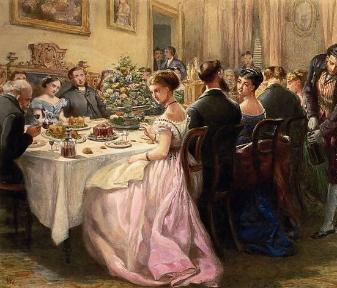
Living conditions a century ago may have differed radically from present
day circumstances, but the high saturated fat diet that early Americans
consumed was surprisingly very similar to what people are eating
currently in the twenty first century.
day circumstances, but the high saturated fat diet that early Americans
consumed was surprisingly very similar to what people are eating
currently in the twenty first century.
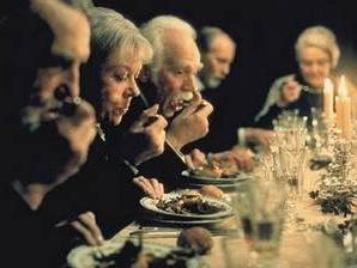
The era of fast food restaurants has dramatically altered the eating
habits of modern day Americans.
habits of modern day Americans.

The majority of the population is consuming an inordinate amount of
highly processed grains and deep fried animal fat, which is greatly
contributing to all types of physiological ailments.
Once again the medical profession still attributes symptoms like a
fever, a cold, the flu or skin eruptions, to a germ.
They are unwilling to give any consideration for the cause of disease to
emotional stress or the over-consumption of food and stimulants in
greater quantities than the body can normally process.
It is not difficult to make a connection between unhealthy living habits
and disease a century ago, and an unhealthy lifestyle resulting in
disease today.
Both past and present eating habits were and are predominantly
inadequate for optimum health, which is why our hospitals are still filled
to capacity with people complaining about the same symptoms of
disease from which our ancestors suffered.
highly processed grains and deep fried animal fat, which is greatly
contributing to all types of physiological ailments.
Once again the medical profession still attributes symptoms like a
fever, a cold, the flu or skin eruptions, to a germ.
They are unwilling to give any consideration for the cause of disease to
emotional stress or the over-consumption of food and stimulants in
greater quantities than the body can normally process.
It is not difficult to make a connection between unhealthy living habits
and disease a century ago, and an unhealthy lifestyle resulting in
disease today.
Both past and present eating habits were and are predominantly
inadequate for optimum health, which is why our hospitals are still filled
to capacity with people complaining about the same symptoms of
disease from which our ancestors suffered.

Shelton wrote of that era:
“Grains, bread, pork and lard pies predominated in the people's diet-
vegetables and fruits were neglected, were contraband in fact.
Tobacco was chewed, smoked and snuffed almost universally; alcohol
was the favorite beverage and disease was common.” Shelton
“Grains, bread, pork and lard pies predominated in the people's diet-
vegetables and fruits were neglected, were contraband in fact.
Tobacco was chewed, smoked and snuffed almost universally; alcohol
was the favorite beverage and disease was common.” Shelton
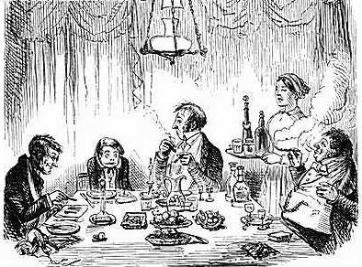
In his book Food in America author Steven Mintz tells us:
“Before the civil war one unique feature of the American diet from an
early period was the abundance of meat-and distilled liquor.
Fertile lands allowed settlers to raise corn and feed it to livestock as
fodder, and convert much of the rest into whiskey.” Mintz
“Before the civil war one unique feature of the American diet from an
early period was the abundance of meat-and distilled liquor.
Fertile lands allowed settlers to raise corn and feed it to livestock as
fodder, and convert much of the rest into whiskey.” Mintz

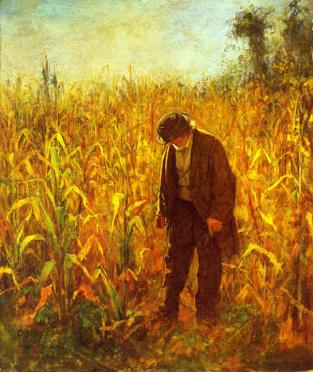
Mintz continues:
“By the early nineteenth century, adult men were drinking more than 7
gallons of pure alcohol a year.
One of the major forces for dietary change came from various
immigrants, whose distinctive emphasis on beer, wine, marinaded
meats, sour flavors and pastries was gradually assimilated into the
mainstream American diet in the form of barbeque, coleslaw, hot dogs,
donuts, and hamburger.
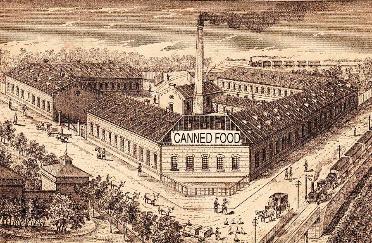
Beginning in the late nineteenth century, food began to be mass-
produced, mass marketed, and standardized.
Factories processed, preserved, canned, and packaged a wide variety of
foods.” Steven Mintz
“By the early nineteenth century, adult men were drinking more than 7
gallons of pure alcohol a year.
One of the major forces for dietary change came from various
immigrants, whose distinctive emphasis on beer, wine, marinaded
meats, sour flavors and pastries was gradually assimilated into the
mainstream American diet in the form of barbeque, coleslaw, hot dogs,
donuts, and hamburger.
Beginning in the late nineteenth century, food began to be mass-
produced, mass marketed, and standardized.
Factories processed, preserved, canned, and packaged a wide variety of
foods.” Steven Mintz
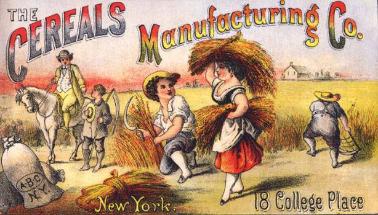

Food was no longer going directly from the vegetable garden to the
household.
household.
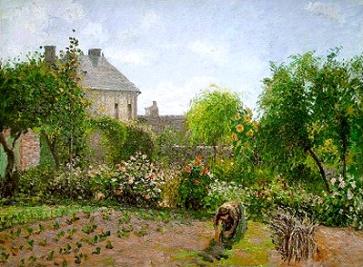
Fresh food was now being transported to a factory for processing
then shipped back to a local grocer and then purchased and brought
home for consumption.
then shipped back to a local grocer and then purchased and brought
home for consumption.
There was basically no significant philosophical difference between
Trall and Shelton; they were both in total agreement regarding their
interpretation of the healthcare laws of nature.
From their own personal experiences using hygienic treatments with
their patients they were both able to substantiate the scientific
consistency of the body’s ability to heal itself when harmful
enervating causes are removed. Trall explains how the body reacts
defensively to drugs:
“The living system acts on food to appropriate it to the formation and
replacement of its organs and tissues.
This is digestion and assimilation—the nutritive process. And the
living system acts on drugs, medicines, poisons, impurities,
everything not
useful or usable in the organic domain.
The living system attempts to resist them; to expel them; to get rid of
them; to purify itself of their presence through the channel or outlet
best adapted to the purpose under the circumstances.
Emetics do not act on the stomach, but are
ejected by the stomach.
Purgatives do not act on the bowels, but are
expelled through the bowels.
Diuretics do not act on the kidneys, but the poisonous drugs are got
rid of through that channel.
Disease is simply the process of getting the poisons out of the
system.” Trall
Trall and Shelton; they were both in total agreement regarding their
interpretation of the healthcare laws of nature.
From their own personal experiences using hygienic treatments with
their patients they were both able to substantiate the scientific
consistency of the body’s ability to heal itself when harmful
enervating causes are removed. Trall explains how the body reacts
defensively to drugs:
“The living system acts on food to appropriate it to the formation and
replacement of its organs and tissues.
This is digestion and assimilation—the nutritive process. And the
living system acts on drugs, medicines, poisons, impurities,
everything not
useful or usable in the organic domain.
The living system attempts to resist them; to expel them; to get rid of
them; to purify itself of their presence through the channel or outlet
best adapted to the purpose under the circumstances.
Emetics do not act on the stomach, but are
ejected by the stomach.
Purgatives do not act on the bowels, but are
expelled through the bowels.
Diuretics do not act on the kidneys, but the poisonous drugs are got
rid of through that channel.
Disease is simply the process of getting the poisons out of the
system.” Trall
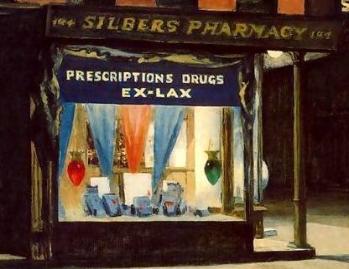
Some physicians claimed that it did not matter whether the body acts
upon the drug or the drug acts upon the body, so long as the required
result is the same. Shelton responds:
“It makes a vast difference in results whether the drug acts to vomit itself
or purge itself or urinate itself.
The body is forced to waste its energies and divide its efforts in ejecting
the drug.
If it is drug energy that is expended in the vomiting or purging, the body's
energies are conserved.
But if it is the body's energies that are expended, a more profound
enervation is produced; hence a crippling of the healing processes results.
If the body is busily engaged in freeing itself of the toxins that cause
disease and is forced to divert part of its energy and attention from this
work to that of expelling poisonous drugs, recovery is retarded, even if it
is not prevented altogether." Shelton
In 1862 Trall established the National Hygienic Association a network
consisting of male and female hygienic practitioners throughout the
country.
He wrote and lectured tirelessly about the beneficial effects of a hygienic
lifestyle.
Through his study of the human digestive system and through
comparative anatomy of our closest primate relatives living in the wild,
Trall, like Graham, concluded that the human body was basically
designed to subsist exclusively on a diet eaten from the plant kingdom.
upon the drug or the drug acts upon the body, so long as the required
result is the same. Shelton responds:
“It makes a vast difference in results whether the drug acts to vomit itself
or purge itself or urinate itself.
The body is forced to waste its energies and divide its efforts in ejecting
the drug.
If it is drug energy that is expended in the vomiting or purging, the body's
energies are conserved.
But if it is the body's energies that are expended, a more profound
enervation is produced; hence a crippling of the healing processes results.
If the body is busily engaged in freeing itself of the toxins that cause
disease and is forced to divert part of its energy and attention from this
work to that of expelling poisonous drugs, recovery is retarded, even if it
is not prevented altogether." Shelton
In 1862 Trall established the National Hygienic Association a network
consisting of male and female hygienic practitioners throughout the
country.
He wrote and lectured tirelessly about the beneficial effects of a hygienic
lifestyle.
Through his study of the human digestive system and through
comparative anatomy of our closest primate relatives living in the wild,
Trall, like Graham, concluded that the human body was basically
designed to subsist exclusively on a diet eaten from the plant kingdom.

Trall was also in accord with the findings of Carl Linnaeus, the Swedish
zoologist who a hundred years before him classified the human primate
as an anatomical frugivore. Linnaeus writes:
“Man's structure, internal and external compared with that of the other
animals, shows that fruit and succulent vegetables are his natural
food.” Linnaeus
zoologist who a hundred years before him classified the human primate
as an anatomical frugivore. Linnaeus writes:
“Man's structure, internal and external compared with that of the other
animals, shows that fruit and succulent vegetables are his natural
food.” Linnaeus

When illness developed in his patients, rather than suppressing
symptoms with narcotic drugs, Trall sought to remove the causes,
which he believed were mainly attributable to dietary overindulgence
in food, drink and stimulants.
Trall put his patients on a vegetarian diet and made them give up their
tobacco, alcohol and caffeine habits if they wanted to fully recover and
return to perfect health.
symptoms with narcotic drugs, Trall sought to remove the causes,
which he believed were mainly attributable to dietary overindulgence
in food, drink and stimulants.
Trall put his patients on a vegetarian diet and made them give up their
tobacco, alcohol and caffeine habits if they wanted to fully recover and
return to perfect health.

Shelton makes clear what he believes are the real causes of disease.
Shelton argues:
“Disease is irregular and abnormal action of the body in expelling
injurious substances and repairing damages -pathology.
Health is the conversion of the elements of food into the elements of the
body's tissues, and the elimination of waste.
Disease is the action of the same powers that are active in health, in
defending the organism against injurious or abnormal agencies and
conditions. This is disease.
The action of the organism against any repugnant or poisonous
substance is defensive; it is an effort to dispose of the offending material.
Drugs are expelled through such channels and by such means as to
produce the least wear and tear on the system.” Shelton
Trall and Shelton treated thousands of patients and both concluded that
once the cause of illness is removed the body will heal itself just like a
cut on the hand.
The skin surrounding the cut will fuse back together naturally if the
wound is cleaned with fresh water, bandaged for protection and left
alone without any chemical intervention.
Shelton offers a scientific explanation of how the body goes to work to
heal an open wound.
Shelton states:
“Whenever the skin, is broken or cut, there is an exudation of blood
which coagulates and forms an airtight scab.
This scab serves as a protection to the wound, and remains for a shorter
or longer time as needed.
Underneath this scab a wonderful thing occurs.
Blood is rushed to the injured part in large quantities.
The tissues, nerve and muscle cells, on each side of the wound start
multiplying rapidly, and build a cell-bridge across the gap until the severed
edges of the wound are reunited.
But this is no mere haphazard process. Everywhere is apparent the
presence of directing law and order.
In this lawful and orderly manner the connective tissues reunite.
After the wound is healed, when a new skin has been formed, so that
there is no longer any need for the protecting scab, nature proceeds to
undermine and get rid of it.” Shelton
Shelton continuously emphasized the interconnected scientific
complexities of the human body.
His example of the healing and repairing process clearly illustrates and
underscores the body’s intelligent ability to always protect and heal
itself either internally or externally without any medication.
Shelton argues:
“Disease is irregular and abnormal action of the body in expelling
injurious substances and repairing damages -pathology.
Health is the conversion of the elements of food into the elements of the
body's tissues, and the elimination of waste.
Disease is the action of the same powers that are active in health, in
defending the organism against injurious or abnormal agencies and
conditions. This is disease.
The action of the organism against any repugnant or poisonous
substance is defensive; it is an effort to dispose of the offending material.
Drugs are expelled through such channels and by such means as to
produce the least wear and tear on the system.” Shelton
Trall and Shelton treated thousands of patients and both concluded that
once the cause of illness is removed the body will heal itself just like a
cut on the hand.
The skin surrounding the cut will fuse back together naturally if the
wound is cleaned with fresh water, bandaged for protection and left
alone without any chemical intervention.
Shelton offers a scientific explanation of how the body goes to work to
heal an open wound.
Shelton states:
“Whenever the skin, is broken or cut, there is an exudation of blood
which coagulates and forms an airtight scab.
This scab serves as a protection to the wound, and remains for a shorter
or longer time as needed.
Underneath this scab a wonderful thing occurs.
Blood is rushed to the injured part in large quantities.
The tissues, nerve and muscle cells, on each side of the wound start
multiplying rapidly, and build a cell-bridge across the gap until the severed
edges of the wound are reunited.
But this is no mere haphazard process. Everywhere is apparent the
presence of directing law and order.
In this lawful and orderly manner the connective tissues reunite.
After the wound is healed, when a new skin has been formed, so that
there is no longer any need for the protecting scab, nature proceeds to
undermine and get rid of it.” Shelton
Shelton continuously emphasized the interconnected scientific
complexities of the human body.
His example of the healing and repairing process clearly illustrates and
underscores the body’s intelligent ability to always protect and heal
itself either internally or externally without any medication.

"This reparative power is inseparable from life and is exercised only by
life.
It never begins but once-when life begins-and never ends until death.”
Shelton
A broken bone, if placed in a splint, will meld back together as good as
new in a few weeks.
There is no industrial glue that can fuse together a broken bone better
than the chemicals produced by the human body.
Trall believed that he was merely stating the obvious when he said that
drugs do not assimilate with the body but rather the entire living
organism re-acts against the drug to expel the foreign substance.
A toxic laxative works only because the body is trying to quickly
evacuate a poison, the drug itself did not cause the bowels to work.
A drug, either a mineral or a germ killing substance, does not possess
the intelligence to travel to a specific area of the body and perform
repair work.
The human body does not require an infusion of poisons to help with
the healing process.
Any drugs with harmful ingredients only interfere with repair work.
The body will now have to divert its attention from healing in order to
expel the noxious substance, either through urination or through the
bowels or by regurgitating.
Shelton affirms what Trall is espousing. He says:
“How is a man who is already sick to be made less so by swallowing a
substance that would sicken, even kill him if he were to take it in a state
of health?
Whoever has had his bowels moved into convulsions by cathartics, his
teeth rotted by mercurials, his liver enlarged and impaired by tartar
emetic knows that the effects of drugging are many and varied, but
always evil.
In the days of which we write, patients were bled, blistered, purged,
puked, narcotized, mercurialized and alcoholized into chronic invalidism
or into the grave.
The death rate was high and the sick man who recovered without a
secondary result was so rare as to be negligible." Shelton